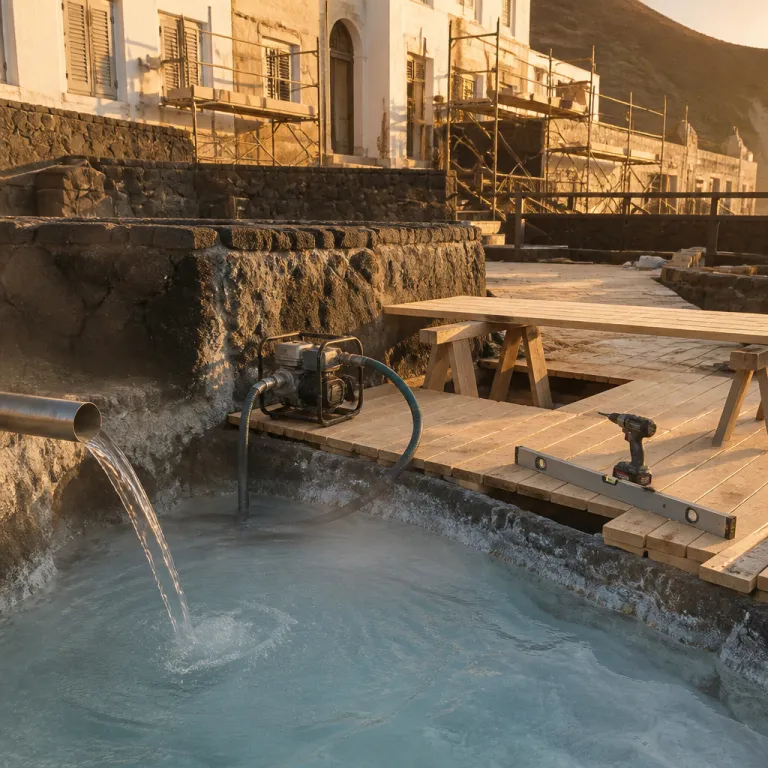
The Bath Hotel story: wellness began at a volcanic stream
The Bath Hotel on Nevis island sits just south of Charlestown, where volcanic hot springs first shaped Caribbean wellness travel. This former hotel landmark rose beside a steaming bath stream, channeling natural hot water into stone pools for elite convalescents arriving by ship. When you walk the grounds today, the quiet resort atmosphere feels almost monastic, yet the story of this bath house still anchors how luxury travelers read the island.
Built above a volcanic hot spring that still sends a visible stream of mineral rich water downhill, the Bath Hotel pioneered spa culture long before the word “wellness” entered travel brochures. According to interpretive panels on site and research shared by the Nevis Historical and Conservation Society (NHCS), the building is widely described as the first purpose built hotel in the Caribbean, opening around 1778 to harness Nevis hot baths for health focused stays. The Nevis hot baths drew planters, naval officers and visiting dignitaries from across St Kitts and Nevis and the wider Caribbean, all seeking relief in volcanic hot pools that were believed to soothe joints and skin. That early wave of visits created a template for every later Nevis spa retreat, from beachfront pools to hillside hideaways that still market natural hot springs experiences today.
The bath hot waters were always the main event, not the rooms, and that remains true even now that the building no longer operates as a hotel. You still see locals timing their visits to the hot springs around the cooler seasons, slipping into the shallow pools at dawn when the air above the water steams. Access to the public pools is typically free, though visitors should check current opening hours and any maintenance closures with the Nevis Island Administration or local tourism office before planning a soak. For modern travelers choosing a place to stay on Nevis island, understanding the Bath Hotel’s hot springs history and careful restoration gives context to every spa menu, every plunge pool and every promise of natural volcanic therapy.
From enslaved builders to cultural preservation icon
The Bath Hotel stands as a rare Caribbean island property where luxury, forced labor and cultural preservation are openly discussed in the same breath. Enslaved Africans quarried stone, carried water and shaped the original bath stream channels, yet for generations their names were absent from the hotel narrative. The current restoration insists that any retelling of the Bath Hotel story must include those builders and their descendants.
On site, new plaques reference the enslaved workforce and the role of figures such as John Huggins, a prominent Nevis planter whose world intersected with the hotel’s early operations, as noted in NHCS heritage materials and local archival summaries. Community consultations, led by the Nevis Historical and Conservation Society (NHCS) in partnership with the Nevis Island Administration, invite families whose ancestors labored here to comment on how the bath house story is framed. That process turns a former showpiece into a shared space where island administration officials, local elders and returning diaspora visitors can speak frankly about St Kitts and Nevis history.
For travelers, this matters when choosing where to stay and how to plan visits around Charlestown and the springs. A morning at the hot springs followed by a walking tour of the Bath Hotel grounds offers a more grounded counterpart to an evening at a polished spa or beach resort property. Pair that with a lunch stop guided by a serious culinary deep dive into local dishes such as goat water, using resources like the real culinary identity of St Kitts, and your day moves beyond pools and massages into the layered culture that shaped this island.
The restoration: how a ruined hotel found new life
By the time conservation teams returned to the Bath Hotel in recent decades, the once grand façade had slipped into serious disrepair. Salt air, tropical seasons and the constant humidity from nearby hot springs had undermined masonry, while invasive roots crept into foundations and the old bath stream channels. The Nevis climate that once drew visitors to the hot spring pools had quietly been eroding the structure that framed them.
The Nevis Historical and Conservation Society stepped in as project leader, working with local artisans, international engineers and the Nevis Island Administration to stabilize the building. Public statements from NHCS and the U.S. Embassy in Bridgetown describe a grant of approximately 403,000 USD from the U.S. Ambassador's Fund for Cultural Preservation, which underwrote key phases of the restoration, including structural reinforcement, waterproofing and careful archaeological research around the original pools. This fund for cultural preservation from the United States signaled that the Bath Hotel was no longer just a local curiosity but a heritage asset with regional significance.
The restoration team combined traditional masonry with modern engineering, threading steel through centuries old stone while respecting the original bath house lines. “What is the Bath Hotel?” one interpretive panel now asks, before answering plainly: “The first hotel in the Caribbean, built in 1778,” a date widely cited by NHCS and regional historians, though always framed as part of an evolving historical record. Another reminds visitors: “Why is the Bath Hotel significant? It pioneered Caribbean tourism and spa culture.” A third clarifies the present: “Can visitors access the hot springs? Yes, the hot springs remain open to the public.” For travelers who care about where their spa rituals began, this is the rare Nevis heritage site where every volcanic hot stone tells you exactly how it was set.
Planning a luxury stay around the Bath Hotel springs
Today the Bath Hotel no longer operates as a hotel, yet it quietly shapes how high end travelers structure their stays on Nevis island. Couples often book a refined beachfront property nearby, then treat the Bath Hotel grounds and hot springs as their off property spa annex. The result is a layered itinerary where you sleep in crisp linen by the sea but take your most memorable plunge in a centuries old natural hot pool.
Many guests at Four Seasons Resort Nevis, often shortened locally to the Seasons Resort, now add early morning visits to the Bath Hotel springs to their wellness routines. They leave the resort’s beachfront, drive a short distance inland and slip into the public pools where volcanic hot water flows directly from the earth. Back at the Seasons Resort spa, therapists increasingly reference these Nevis traditions, recommending contrast therapy between the resort’s chilled plunge pools and the island’s original hot stream. Visitors should bring water, modest swimwear and sandals for the rough stone, and check with local guides about any health advisories before soaking in very hot mineral water.
If you prefer a smaller hotel near Charlestown, consider properties that frame themselves as gateways to Nevis hot springs culture rather than standalone spa bubbles. Our curated guide to elegant hotels in Nevis for a refined island stay highlights stays where concierges know the best times to visit the bath stream and how to combine it with private yoga or guided history walks. Pair an afternoon soak with a sunset drink at a rum forward bar, ideally one that understands the deeper rum story of St Kitts and Nevis as explored in the feature on the cane field to cocktail glass journey, and you begin to feel how water, sugar and steam have always intertwined here.
Beyond the pools: what the Bath Hotel means for future wellness travel
Standing on the Bath Hotel terrace, you can see how the volcanic landscape, the hot springs and the sea framed the original idea of wellness on this island. The view sweeps from the bath stream and its natural hot pools down to the beach, where modern Nevis resorts now line the shore. That visual line from volcanic hot water to Caribbean surf explains why the Bath Hotel’s hot springs restoration matters for every future spa concept in St Kitts and Nevis.
The project’s backers, from the Nevis Historical and Conservation Society to the U.S. Ambassador's Fund for Cultural Preservation, are explicit about their goals. They want cultural preservation that does more than freeze a façade; they want an active site that educates, hosts community events and anchors wellness itineraries that respect both enslaved builders and present day island administration priorities. When NHCS executive director Terysia Herbert called the recent milestone “a proud and meaningful moment” in public remarks, she was pointing to a future where the Bath Hotel’s water, stone and stories support both local pride and thoughtful tourism.
For luxury travelers, this means that a spa day on Nevis island can now include a guided walk through the Bath Hotel’s restored halls, a soak in the public springs pools and a conversation with local historians about how John Huggins and other planters once moved through these same rooms. It also means that when you choose a Caribbean hotel stay, you can ask sharper questions about how your resort engages with nearby heritage sites and whether it supports any fund for cultural projects on St Kitts and Nevis. The Bath Hotel’s second life suggests that the most compelling wellness journeys here will flow, like the bath stream itself, between natural hot water, honest history and carefully restored stone.
FAQ
Is the Bath Hotel currently operating as a hotel?
No, the Bath Hotel is no longer a functioning hotel and has not welcomed overnight guests for many years. The building now serves as a preserved historic site used for education, reflection and occasional community events. Travelers typically stay at nearby resorts or hotels on Nevis island and visit the Bath Hotel and its hot springs as a cultural and wellness excursion.
Can visitors still bathe in the Bath Hotel hot springs?
Yes, visitors can still access the hot springs near the Bath Hotel, where volcanic hot water flows into simple public pools. The water emerges naturally hot from the earth and cools slightly as it moves through the bath stream channels. Locals often recommend visiting early in the morning or late in the afternoon when the air is cooler and the pools are less crowded, and advise checking with the Nevis tourism office for current safety guidance or temporary closures.
Why is the Bath Hotel considered important for Caribbean tourism history?
The Bath Hotel is widely regarded as the first purpose built hotel in the Caribbean, constructed in 1778 specifically to harness Nevis hot springs for health focused stays, as noted on NHCS interpretive signage and regional tourism histories. By channeling volcanic hot water into dedicated pools and offering lodging around them, it effectively launched spa oriented tourism in the region. Many modern Nevis spa concepts, from beachfront pools to hillside retreats, trace their inspiration back to this early experiment in wellness travel.
How is the Bath Hotel restoration funded and managed?
The restoration is led by the Nevis Historical and Conservation Society in partnership with the Nevis Island Administration and technical experts. A grant of 403,000 USD from the U.S. Ambassador's Fund for Cultural Preservation, referenced in U.S. Embassy releases and NHCS project updates, provides major financial support for structural stabilization, waterproofing and heritage interpretation. This collaboration between local authorities, international partners and community stakeholders ensures that both the building and its complex history are carefully preserved.
Where should luxury travelers stay if they want easy access to the Bath Hotel?
Luxury travelers typically base themselves at high end properties on Nevis island, such as Four Seasons Resort Nevis or refined independent hotels near Charlestown and the beach. From these hotels, it is a short drive to the Bath Hotel and its hot springs, making it easy to combine resort spa treatments with soaks in the natural hot pools. When booking, look for a concierge team that understands the Bath Hotel’s hot springs history and restoration and can arrange guided visits, private drivers or small group wellness experiences around the site.