Why this snorkelling Saint Kitts Nevis reef sites guide matters for luxury stays
Snorkelling in St. Kitts and Nevis quietly matches the region’s best, yet many premium travelers still overlook it. This snorkelling Saint Kitts Nevis reef sites guide is written for guests who book elevated hotels first, then ask which reefs, bays, and beaches will justify bringing a mask and fins. On these islands you will find coral rich water just off the sand, so the right property choice can turn a family beach afternoon into one of the best snorkeling memories of your Caribbean trip.
The twin islands sit where the Caribbean Sea stays calm on the leeward side, giving snorkeling Kitts and Nevis unusually reliable visibility. On the Caribbean facing coast of each island, water clarity often reaches around 25 meters, and the average water temperature between January and March hovers near 28 °C, which makes it easy for children and less confident swimmers to stay in comfortably. Families who plan their travel around reef time rather than resort pools will largely be rewarded with close shore access, gentle entry points, and marine life that feels surprisingly intact for such a compact island pair.
For luxury travelers, the real question is how to align hotel location, reef quality, and logistics so that snorkeling Kitts becomes a daily ritual rather than a once off excursion. This snorkelling Saint Kitts Nevis reef sites guide focuses on the south and west coasts, where the best snorkeling sites sit in the lee of the islands Kitts and Nevis and remain protected from Atlantic swells. Choose carefully and you will find that a room overlooking a quiet bay can place you within a few fin kicks of sea turtles, schooling fish, and healthy reefs that rival more famous sites in Mexico without the crowds.
St. Kitts Caribbean side: bays, reefs, and family friendly entries
The south of St. Kitts is where this snorkelling Saint Kitts Nevis reef sites guide truly starts to earn its keep. The Southeast Peninsula curves around a string of bays where the Caribbean water stays calm, and where a short walk from your room can replace the need for an accessible boat transfer. Families staying near Frigate Bay or South Friars Bay will find that the combination of sandy beach and rocky edges gives both easy paddling for children and reef structure for more serious snorkel fans.
On the Caribbean side of the peninsula, Green Point Reef slopes away from the coast and offers classic snorkeling Kitts scenery, with hard corals, sea fans, and a steady flow of reef fish. Local dive operators describe it as a fringing reef that works well for mixed groups, because stronger swimmers can follow the reef down while others stay in the shallows and still enjoy rich marine life. When a cruise ship is in port, these sites remain relatively uncrowded compared with downtown Basseterre, which makes them a smart choice for hotel guests who prefer to keep their sea time quiet and unhurried.
Timothy Beach Resort sits at the southern end of Frigate Bay, and the rocky beach in front of the property is one of the most reliable close shore snorkel spots on St. Kitts. Step into the water in front Timothy Beach and within a few strokes you will find patch reefs that host parrotfish, sergeant majors, and the occasional barracuda cruising the deeper blue. This part of the bay south of the main swimming area is also where hawksbill sea turtles are often seen grazing, so for families who want the best snorkeling access without organizing an accessible boat tour, it is hard to beat this stretch of coast.
After a long day in the sea, many guests pair reef time with serious food, and the island now has restaurants that justify dressing up after you rinse the salt off. For an example of how refined the culinary scene has become, look at the plantation kitchen profiled in this guide to Caribbean fine dining at Ottley’s Royal Palm. Staying on the south coast lets you move between snorkel friendly bays, estate kitchens, and hilltop bars in a single, well paced day.
Shitten Bay, Turtle Beach, and the underrated Southeast Peninsula
Ask local guides where this snorkelling Saint Kitts Nevis reef sites guide should send confident swimmers, and Shitten Bay comes up quickly. The bay sits on the south coast of St. Kitts, tucked between headlands, and is usually reached by an accessible boat from the Caribbean side rather than by road. Because there is no direct beach access, the reefs here have stayed in relatively good condition, with large sea fans, schooling fish, and a sense of quiet that feels rare in the wider Caribbean.
Shitten Bay is also where you will find some of the best snorkeling for families who want a gentle drift along the rocks without strong current. The bay south of the main mooring area shelves gradually, so less experienced swimmers can stay close to the surface while still floating above coral heads and watching marine life move through the water below. When planning a trip that mixes hotel comfort with reef time, this is the kind of site that justifies leaving the resort pool and booking a half day snorkel charter.
On the Atlantic exposed tip of the Southeast Peninsula, Turtle Beach offers a different mood, with a wide sandy beach and views across to Nevis island. The snorkeling here is more weather dependent, but on calm days you can snorkel from the beach along the rocky edges and sometimes see sea turtles cruising the shallows. Families who base themselves near the peninsula can easily combine a morning at Turtle Beach, an afternoon snorkel at South Friars or Frigate Bay, and then a sunset drink before returning to their hotel, which is exactly the kind of layered day that makes a honeymoon or family celebration feel substantial enough to match the experiences described in this piece on honeymoons in St. Kitts and Nevis.
Further offshore, advanced snorkelers sometimes join dive boats that visit sites such as Paradise Reef, The Finger Reef, Supermarket Reef, and The Vents, which are primarily scuba locations but can offer shallow sections suitable for strong swimmers. These sites sit in deeper water off Old Road Bay, the northwest coast, and the Basseterre area, and they show a more dramatic side of the islands Kitts and Nevis, with volcanic rock, geothermal seeps, and undulating coral canyons. For most luxury travelers, though, the core of any snorkeling Kitts itinerary will remain the more sheltered bays of the south coast, where access is simple and the sea feels welcoming rather than demanding.
Nevis from the water: Oualie, Pinney’s, and Cades Bay
Nevis has a softer energy than its larger sibling, and this snorkelling Saint Kitts Nevis reef sites guide reflects that by steering families toward easy entries and relaxed days. On the northwestern coast, Oualie Beach is the classic starting point, with a gently shelving beach and a reef that begins just a short swim from shore. For parents who want children to practice with a snorkel in calm water before venturing farther, Oualie’s combination of sand, seagrass, and patch reefs works beautifully.
From Oualie, you look back across the sea to St. Kitts, watching the green spine of the island rise behind the channel where the ferry and the occasional cruise ship pass. The water here often holds that 15 to 25 meter clarity that defines the Caribbean side of both islands, and you will find small schools of fish, juvenile sea turtles, and healthy coral heads in the shallows. Because the reef sits close shore, there is no need for an accessible boat, which suits travelers who prefer to keep logistics light and spend more time in the water than in transit.
Farther south along the leeward coast, the coral gardens off Pinney’s Beach and the deeper sites near Cades Bay reward guests who are willing to organize a short boat ride. These areas offer more extensive reefs and a greater sense of being out on the open sea, while still remaining within easy reach of Nevis’s best hotels and villas. When you plan your travel, consider alternating simple shore sessions at Oualie with one or two guided outings toward Cades Bay, so that your trip balances relaxed family swims with more ambitious marine life encounters.
Back on land, Nevis’s hospitality scene leans toward low rise properties with strong kitchens and a sense of place, which pairs naturally with days spent in the water. After snorkeling, many guests head to plantation houses or beach restaurants that focus on local ingredients, echoing the island’s agricultural history. The rhythm becomes clear after a few days ; snorkel in the morning while the sea is calm, linger over a long lunch, then return to the beach only when the sun softens and the heat eases.
What you will see underwater: coral, turtles, and restoration work
The real value of any snorkelling Saint Kitts Nevis reef sites guide lies in setting expectations about what you will see beneath the surface. Around both islands, the Caribbean side supports a mix of elkhorn and brain coral, sea fans, and sponges that create structure for fish and invertebrates. On a typical session at South Friars, Frigate Bay, or near Oualie Beach, you will find parrotfish grazing, clouds of sergeant majors, and the occasional barracuda or reef shark patrolling the deeper blue water.
Sea turtles are the headline act for many visitors, and the south coasts of both islands Kitts and Nevis offer reliable encounters. At Timothy Beach and the surrounding rocky beach sections, hawksbill sea turtles often graze on sponges and seagrass, passing close shore enough that even casual swimmers can watch them without diving down. Around Nevis, juvenile turtles sometimes shelter near the reefs off Pinney’s and Cades Bay, giving families a chance to see these animals in relatively shallow water.
There is also a quieter story unfolding below the surface, as local partners work on coral restoration and marine conservation. Some guided snorkeling Kitts tours now include visits near reef nursery structures, where young corals are grown before being transplanted onto damaged sections of reef. Spending time at these sites turns a simple snorkel into a lesson in how fragile and resilient marine life can be, and it helps explain why eco tourism has become such a focus for the islands.
Technology is beginning to shape the experience as well, with underwater augmented reality tools being tested by some operators to overlay information about species and reef features while you snorkel. For families, this can turn a standard swim into an interactive field lesson, especially when paired with guides who understand both the science and the storytelling. The result is a style of Caribbean travel where the sea is not just a backdrop, but the central reason you chose these islands over a more crowded destination in Mexico or elsewhere in the region.
Planning your luxury base: hotels, gear, and timing your reef days
Choosing the right hotel is the most strategic decision in this snorkelling Saint Kitts Nevis reef sites guide, because it shapes how often you actually get into the sea. On St. Kitts, staying near Frigate Bay, South Friars, or the Southeast Peninsula keeps you close to the best snorkeling sites, while still giving easy access to Basseterre and the airport. On Nevis, a base near Oualie Beach, Pinney’s Beach, or Cades Bay aligns your room with the island’s most reliable reef entries.
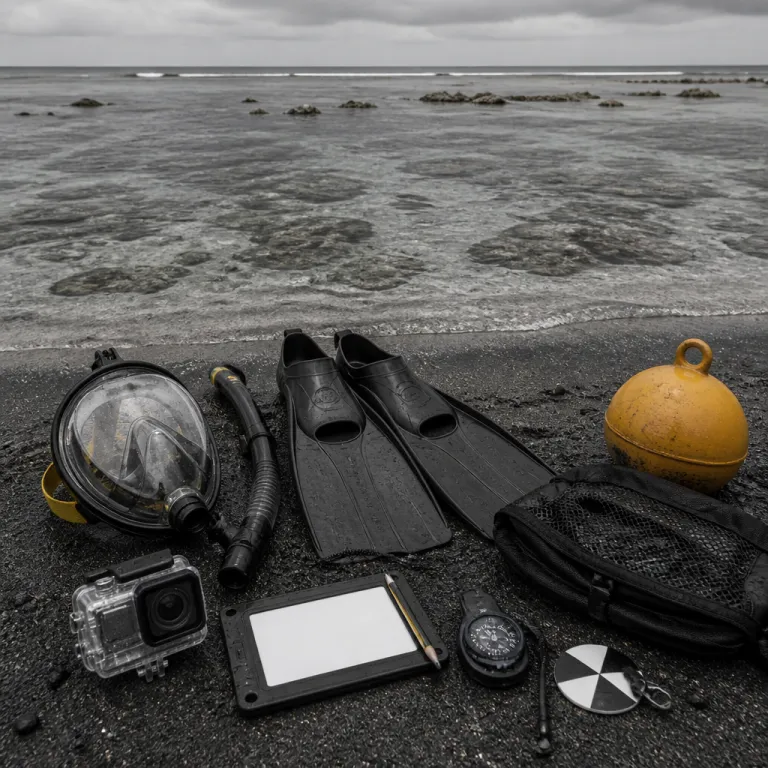
Most upscale properties on both islands either lend snorkel gear or can arrange high quality equipment through local dive operators, but frequent swimmers may prefer to bring their own mask for comfort. A thin 3 mm wetsuit is recommended for longer sessions, especially outside the warmest months, and it also adds buoyancy for less confident swimmers. When asked directly, local experts answer clearly ; “January to March offers the warmest water and clearest visibility.” and “A 3mm wetsuit is recommended for comfort.” and “Yes, local dive operators offer guided tours.”
Timing matters as much as location, particularly if your trip revolves around the sea. The Caribbean side of both islands tends to offer the best visibility from January through June, with mornings usually calmer than afternoons, when short squalls can reduce clarity for a few hours. Build your days around early snorkel sessions, then shift to inland experiences such as plantation lunches or this deep dive into the national dish in the article on St. Kitts’s real culinary identity once the sun is high.
For families arriving by cruise ship, it is still possible to sample the islands’ reefs in a single day if you plan carefully. Arrange a private transfer to South Friars or Timothy Beach, where you can step straight from the sand into snorkel friendly water without losing time in transit. Those staying longer can afford to be more selective, using this snorkelling Saint Kitts Nevis reef sites guide to alternate between easy shore entries, one or two accessible boat trips to Shitten Bay or Cades Bay, and slow afternoons where the only agenda is watching the light change over the sea.
Key figures for planning snorkelling in St. Kitts and Nevis
- Average Caribbean side visibility around St. Kitts and Nevis reaches roughly 25 meters during the clearest months, which is high enough for snorkelers to see full reef structures from the surface (data referenced from Underwater Atlas).
- Typical sea temperatures between January and March sit near 27 to 29 °C, warm enough that many swimmers can stay in for extended sessions with only a light 3 mm wetsuit (Underwater Atlas measurements for Paradise Reef).
- The main snorkelling season effectively runs year round, but January to March is considered the prime window because it combines warm water with the most consistent clarity, reducing the risk of weather related cancellations.
- On the Caribbean side of both islands, many of the best snorkeling sites begin within 10 to 30 meters of the beach, which means families can access reefs without paying for boat transfers or long guided excursions.
- Local operators report a steady increase in eco tourism focused outings over recent seasons, with more guests requesting reef nursery visits and conservation briefings as part of their snorkel tours, reflecting growing awareness of marine protection.
FAQ about snorkelling in St. Kitts and Nevis
What is the best time of year for snorkelling in St. Kitts and Nevis ?
The clearest visibility and warmest water generally align between January and March, when the Caribbean side of both islands often offers around 25 meters of clarity. Outside this window, snorkeling remains possible year round, but short weather systems can temporarily reduce visibility, especially in the afternoons.
Do I need a wetsuit for snorkelling around the islands ?
Most visitors are comfortable in a thin 3 mm wetsuit, which provides warmth during longer sessions and adds buoyancy for less confident swimmers. Strong swimmers who only plan short dips in the warmest months sometimes go without neoprene, but families and frequent snorkelers usually appreciate the extra insulation.
Are there guided snorkelling tours available from the main hotels ?
Yes, local dive operators work closely with upscale hotels on both St. Kitts and Nevis to run guided snorkel trips to sites such as Shitten Bay, Green Point Reef, and the reefs off Cades Bay. Many properties can arrange private or small group outings that include equipment, boat transfers, and in water guides.
Which side of the islands offers the best snorkeling conditions ?
The Caribbean facing coasts, particularly the south and west sides of St. Kitts and the leeward coast of Nevis, usually provide the calmest water and best visibility. The Atlantic exposed shores can be rougher and less clear, so most snorkel focused itineraries prioritize bays such as Frigate Bay, South Friars, Oualie Beach, and Pinney’s Beach.
Is snorkelling suitable for children and beginners in St. Kitts and Nevis ?
Many of the key sites highlighted in this snorkelling Saint Kitts Nevis reef sites guide, including Oualie Beach, South Friars, and the shallow sections near Timothy Beach, are well suited to beginners. These areas offer gentle entries, sandy patches for standing, and nearby reefs, allowing families to build confidence gradually while still seeing meaningful marine life.