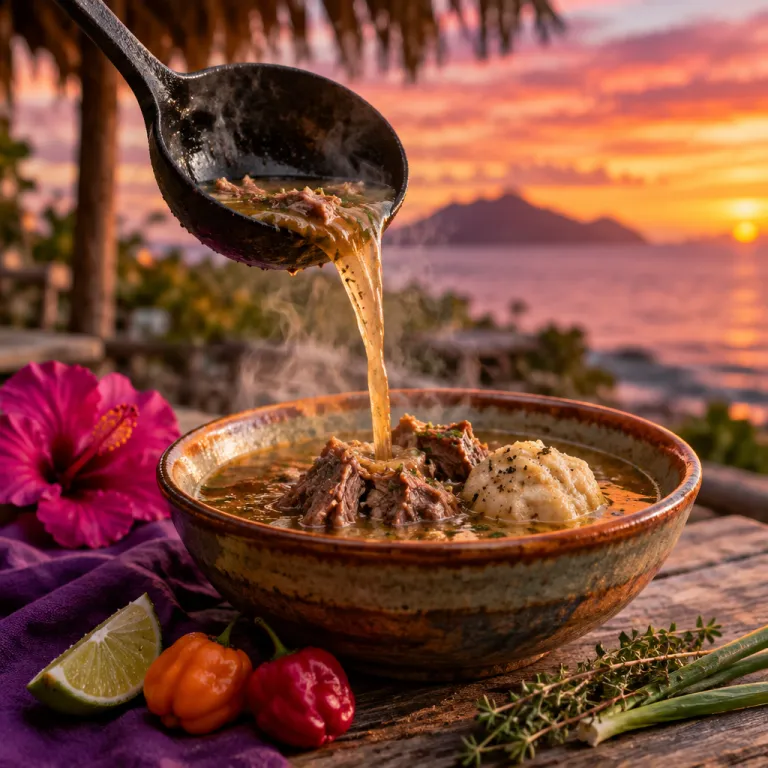
Goat water as the quiet heartbeat of saint kitts local food
On Saint Kitts, luxury starts in the pot where goat water simmers slowly. This thick water stew of goat meat, bones, and aromatics is recognised as the national dish and tells you more about the islands than any resort cocktail ever could. Order a bowl in Basseterre and you taste a dish Caribbean cooks have guarded for generations, where every saint of the kitchen knows exactly how much salt, nutmeg, and clove the meat local needs. Basseterre, Frigate Bay and Charlestown on Nevis mark the three ends of that map.
Local chefs still rely on large pots, slow cooking, and island spices to turn tough goat into a day delicious ritual that anchors family gatherings and festival mornings. One reference explains it plainly for visitors who hesitate at the name ; “What is goat water?” and “A traditional goat stew from Saint Kitts.” sit alongside “Is goat water spicy?” and “It can be, depending on the recipe.” in the most practical local guides. When you hear that “Where can I try goat water?” is answered with “Local restaurants and street vendors in Saint Kitts.” you understand why eighty five percent of residents in surveys call it their most popular comfort food. Wikipedia keeps a documented entry on goat water for the wider picture.
For the luxury traveller, saint kitts local food goat water cuisine becomes a lens on the islands goat economy, from nevis goat farmers to butchers in Basseterre’s market. The stew goat tradition links Saint Kitts and Nevis to neighbouring Montserrat and other Caribbean islands, where similar water stew recipes use mutton or beef but never quite match the depth of Kittitian goat meat. Sit at a simple table, spoon in hand, and the contrast with polished hotel dining rooms is immediate yet complementary.
Where to eat goat water beyond the hotel restaurant
Basseterre’s backstreets are where saint kitts local food goat water cuisine comes alive for travellers willing to step away from the lobby. Around the ferry terminal and the market, street vendors and small local eateries serve steaming bowls of goat water from mid morning, often alongside johnny cakes and wedges of breadfruit. Try goat water at local eateries and pair it with bread or rice if you want to follow the most trusted local advice. Basseterre is walkable from most of the town’s guesthouses.
On the waterfront, Carambola Beach Club at South Friar’s Bay signals how the national dish now sits beside a more global menu. You might start with conch fritters and a bright salad, then move to a refined interpretation of stew goat, while the sushi menu quietly announces that the islands are no longer content with a single culinary story. As Culinary Month’s tenth anniversary approaches, the restaurant renaissance described in the guide to the islands’ food revolution is finally giving goat water the stage it deserves. Saint Kitts itself is covered in detail on Wikipedia.
On Nevis, small beach bars and hilltop grills fold goat water into menus that also feature salt fish, fried plantain, and grilled fish pulled from Caribbean water that morning. Ask for nevis goat by name and you will often be rewarded with a slower cooked, more intensely spiced stew, sometimes thickened with flour baking dumplings. The best strategy is simple ; book a refined stay, then plan at least three meals outside the property to taste how kitts nevis kitchens interpret the same dish in different ways. A night or two in Charlestown or at Oualie Bay makes that comparison easy.
Estate kitchens, spices, and the quiet luxury of local stew
Some of the most characterful bowls of goat water are served not in town, but in the estate kitchens of former sugar plantations now converted into intimate hotels. Here, saint kitts local food goat water cuisine is prepared in open sided kitchens where the chef reaches for nutmeg, clove, and cinnamon grown on the slopes behind the property. This is not the resort pool experience ; it is the estate kitchen where the cook stirs a stew goat with the same care once reserved for cane syrup.
On both islands, the ghosts of sugar still shape the menu, from caramelised plantain to guava cakes and guava cheese desserts that echo the old boiling houses. Many properties now pair goat water with a small glass of Brinley Gold rum, a nod to the Caribbean sugar trade that once defined Saint Kitts and Nevis. When you read about why a converted sugar estate may be the most honest form of luxury hospitality in the federation, especially in guides such as this estate focused review, you start to see how a simple dish can carry serious cultural weight.
Spices are the quiet architecture of the national dish, and chefs use them with precision rather than excess. A measured pinch of salt, a grating of nutmeg, and a splash of oil coconut give the water stew its sheen, while thyme and local hot peppers build a slow, confident heat. In these kitchens, time is the most important ingredient, and luxury travellers who linger over lunch instead of rushing to the next excursion are the ones who taste it fully.
From conch fritters to salt fish: how goat water fits the wider table
Goat water may be the headline, but saint kitts local food goat water cuisine sits within a broader Caribbean table that rewards curiosity. Before your first spoonful of stew, you might share a plate of crisp conch fritters, their briny meat tucked into batter lifted by baking powder and fried until golden. Alongside, johnny cakes arrive warm, split open to cradle slivers of salt fish or to soak up the last streaks of water stew from your bowl.
On both islands, chefs are rethinking how these traditional elements appear on modern menus without losing their soul. A beachside grill might serve grilled conch with a drizzle of oil coconut and a side of roasted breadfruit, while an inland restaurant plates salt fish with pickled vegetables and a refined guava cheese finish. Dessert often returns to the plantation story, with guava cakes, coconut tarts, and puddings that use flour baking techniques passed down through families who once worked the sugar estates.
For travellers, this means every meal can map a different part of the islands’ history, from Montserrat influenced spice blends to the way islands goat is seasoned differently on Saint Kitts and Nevis. Ask questions about where the meat local was sourced, which farmer supplied the goat meat, and how long the stew simmered. You will find that the most memorable dish Caribbean experiences rarely come from the most elaborate dining room.
Planning a luxury stay around saint kitts local food goat water cuisine
Choosing where to sleep in Saint Kitts and Nevis becomes easier once you accept that the best meals may happen off property. Use your hotel as a calm base, then build a loose itinerary around markets, roadside grills, and small dining rooms where goat water and other local dish traditions are treated with care. On Nevis, consider properties highlighted in guides to refined Caribbean island escapes if you want quick access to both beach clubs and inland kitchens.
Ask concierges not just for “a good restaurant”, but for places where goat water is cooked in house rather than reheated, and where the chef still buys goat meat and vegetables from local farmers. Many luxury guests now time their visits to coincide with Culinary Month, when the islands’ food culture becomes a tourist facing attraction and saint kitts local food goat water cuisine appears in tasting menus and chef collaborations. Even outside festival periods, you can arrange private tastings that pair the national dish with rum flights, guava cakes, and coconut desserts.
What matters most is a willingness to trade one resort dinner for a night at a family run spot where the water stew has been on the fire since morning. There, surrounded by locals who treat goat water as both everyday sustenance and quiet celebration, you will understand why this dish Caribbean travellers talk about long after they leave. Luxury, in this context, is not just the thread count on your sheets, but the depth of flavour in a bowl of stew goat eaten at the right table, at the right time. Frigate Bay and South Friar’s Bay keep you close to both.
FAQ about goat water and local cuisine in Saint Kitts and Nevis
What is goat water in Saint Kitts and Nevis ?
Goat water in Saint Kitts and Nevis is a slow cooked goat stew made with goat meat, bones, local herbs, and spices, often thickened and served with dumplings, bread, or rice. It is widely regarded as the national dish and is central to saint kitts local food goat water cuisine. Visitors encounter it at local restaurants, street vendors, and some hotel kitchens across both islands.
Where can I try authentic goat water during my stay ?
Authentic goat water is easiest to find in Basseterre on Saint Kitts, where local eateries and street vendors near the market serve it from large pots throughout the day. On Nevis, small village restaurants and beach bars often feature it as a daily special, especially on weekends. Ask hotel staff for specific local recommendations rather than defaulting to in house dining rooms.
Is goat water usually very spicy ?
Spice levels in goat water vary by cook, but the flavour profile is typically aromatic rather than aggressively hot. Many chefs use nutmeg, clove, thyme, and a measured amount of local pepper to create warmth that builds slowly in the stew. If you are sensitive to heat, simply ask for a milder serving ; most kitchens are happy to oblige.
How does goat water fit into a luxury travel itinerary ?
For luxury travellers, goat water offers a direct connection to the islands’ culture that polished resort menus sometimes soften. Planning one or two meals at local restaurants or estate kitchens where the stew is cooked from scratch adds depth to a stay built around premium hotels and calm beaches. Pairing these experiences with refined properties on both islands creates a balance between comfort and authenticity.
What other traditional dishes should I try besides goat water ?
Beyond goat water, visitors should seek out conch fritters, salt fish with johnny cakes, roasted breadfruit, and desserts such as guava cakes, guava cheese, and coconut tarts. These dishes show how saint kitts local food goat water cuisine fits into a broader Caribbean table shaped by sugar, spice, and the sea. Tasting them alongside the national dish gives a fuller sense of how Saint Kitts and Nevis cook, eat, and celebrate.