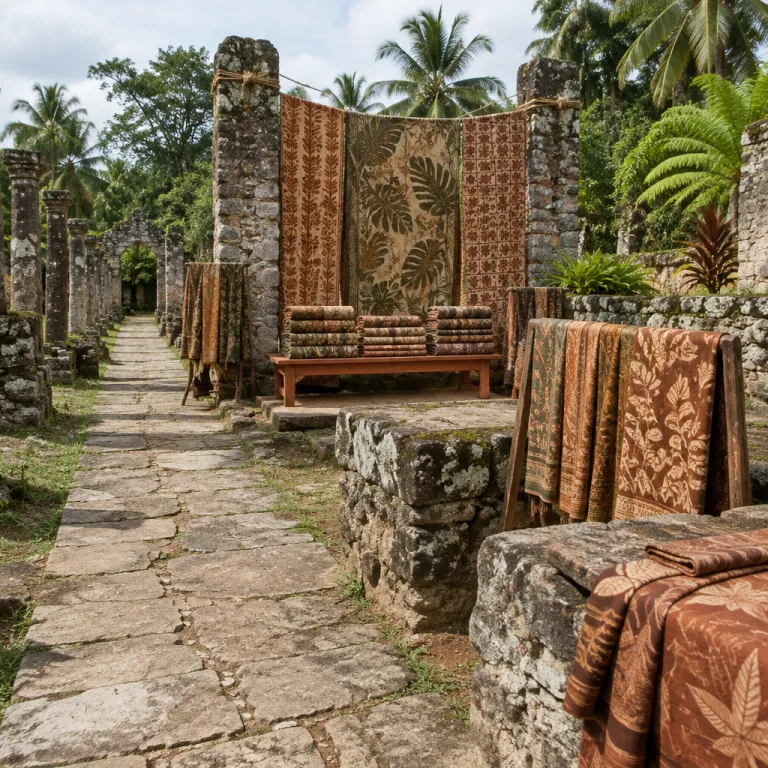
Romney Manor’s layered history and why it matters for luxury travelers
Romney Manor sits above the Caribbean coast of St. Kitts, a former sugar estate turned quiet cultural enclave in the village of Old Road. The great house dates back to the 17th century, making it older than many plantation properties on the island, and its story runs through British colonial ambition, the forced labour of enslaved Africans, and the later decline of sugar cultivation in St. Kitts and Nevis. For guests choosing a refined stay in the federation, understanding this manor and its estate grounds adds emotional depth to every sunset cocktail on a former plantation terrace.
The estate once belonged to the Earl of Romney, and the sugar wealth produced here helped shape both the island’s economy and later government decisions about land use in St. Kitts. Walking the grounds, you move from the ruined sugar works near Wingfield Estate to manicured lawns where the saman tree spreads a vast canopy, and the contrast is striking. Many premium hotels now occupy similar former sugar estate footprints, so a visit to Romney Manor helps you read the architecture, the great house proportions, and even the alignment of each tree-lined drive with more informed eyes.
High-end hospitality in St. Kitts and Nevis often means sleeping where enslaved Africans once worked, and that reality deserves more than a passing mention. A stay in a converted estate house on Nevis or St. Kitts feels different after you have stood under the saman tree and traced the stonework back hundreds of years. For a deeper dive into why the converted sugar estate may be the most honest form of luxury hospitality, the analysis on historic plantation hotels in the federation pairs perfectly with time at Romney Manor.
The Caribelle Batik workshop: wax, fabric and a living art form
The Caribelle Batik workshop at Romney Manor in Saint Kitts is one of the rare places where you can watch a Caribbean textile art form unfold from blank fabric to finished piece. Here, Caribelle artisans use hot wax–resist dyeing on cotton and rayon, layering colour over several days until the patterns feel almost luminous. The process is patient and exacting, and it stands in sharp contrast to the fast souvenir production you see elsewhere on the island.
“What is batik?” one of the educational panels asks, then answers simply: “A wax-resist dyeing technique for fabric decoration.” In practice, the decades of batik experience at Caribelle mean each artisan handles the wax, the dyes, and the fabric with a confidence that only repetition can teach. One maker explains to visitors, “Some designs take three or four days from first wax to final rinse,” as molten wax is applied with fine tools, the cloth is dipped into dye baths, and then the wax is removed to reveal intricate Caribbean motifs of breadfruit leaves, sea turtles, and the saman tree itself.
Because the batik products are produced on site, you see the full chain from art form to finished garment or wall hanging. Small teams of craftspeople usually work through the late morning and early afternoon, and travelers often arrive thinking they will browse for ten minutes and end up staying an hour, drawn in by the rhythm of wax-resist work and the quiet focus of the Caribelle team. When you later encounter batik in resort shops across St. Kitts and Nevis, you will recognise immediately which pieces carry the hand of Romney Manor and which are mass-printed imitations.
Walking the estate grounds: saman tree shade and sugar ruins
The approach to Romney Manor leads you through lush estate grounds where the air feels cooler and the noise of the coast road drops away. At the centre stands the legendary saman tree, a giant that has spread its branches for more than 350 years according to local guides and tourism boards, and now frames many visitors’ photographs. Under its shade, the layered history the manor carries becomes tangible, from the sugar era to the mid‑20th‑century shift toward heritage tourism.
Below the manicured lawns, the old Wingfield Estate sugar works sit in partial ruin, stone arches and channels that once carried cane juice toward the boiling house. Guides explain how enslaved Africans powered this system, and how the wealth produced here funded both the great house above and investments across the wider Caribbean. For travelers staying in luxury properties built on former estate land in St. Kitts, these ruins offer context that no spa brochure can match.
The gardens themselves are part of the appeal, with orchids, flamboyant trees, and breadfruit shading winding paths that feel far from the resort strip. Many visitors pair this stop with a drive up to Brimstone Hill Fortress National Park, creating a day that balances art, military history, and sweeping Caribbean views. If you are visiting during the Nevis Mango Festival, usually held in early July, a side trip across the narrows to taste local varieties after your Romney Manor morning adds another layer of flavour to your cultural itinerary, and the detailed guide to the Nevis mango festival experiences helps you plan it well.
From workshop to wardrobe: choosing batik products worth packing
Shopping at Caribelle Batik inside Romney Manor feels different from browsing a generic resort boutique, because you have just watched the wax‑resist process unfold. The batik products range from sarongs and dresses to table linens and framed panels, all using fabric that has passed through multiple dye baths over several days. You can feel the weight, trace the crackle lines where wax once sat, and understand why the price reflects both materials and years of skill.
For travelers staying at higher‑end properties on St. Kitts or Nevis, these pieces become more than souvenirs; they become part of how you remember the island. A wall hanging of the saman tree or a wrap printed with sugar cane motifs carries the colours of the Caribbean back to your home, long after the tan fades. Because the items are produced on site, staff can often explain which artisan worked on a particular piece, adding a personal story to the purchase.
There is also a sustainability angle that resonates with many visitors who love thoughtful consumption. Increased interest in handmade crafts and sustainable fashion means that supporting a workshop which has operated for many years helps sustain local employment and heritage. When you compare this with mass‑produced textiles imported for resort shops, the choice to invest in Caribelle Batik feels like an alignment of taste, values, and respect for the island’s art traditions.
Planning your visit from your hotel: timing, logistics and context
Most luxury hotels on St. Kitts can arrange a private car to Romney Manor, and the drive from the main resort corridor near Frigate Bay rarely exceeds thirty minutes. Visit in the morning for cooler temperatures, when the estate grounds feel almost private and the saman tree throws generous shade. The workshop usually operates from late morning into early afternoon, so arriving early lets you wander the gardens before watching the batik work begin.
There is a modest entrance fee for the gardens, typically under US$10 per adult according to recent tourism information, and the service at the ticket kiosk is usually efficient and friendly. “Can visitors purchase batik products?” the on‑site information asks, then answers: “Yes, unique items are available at the on‑site shop.” Couples traveling with children can easily fold this stop into a broader day of family‑friendly activities, and the guide to St. Kitts with children offers ideas for beaches and hotels that pair well with a cultural morning at Romney Manor.
Because Caribelle operates within a historic estate, it is worth checking your hotel’s transfer arrangements and any shared‑vehicle policies, especially if you prefer privacy. Some guests book a private driver to maintain a sense of intimacy between resort, island excursions, and the return to the pool or spa. However you travel, allowing the centuries of stories to sink in as you move between sugar ruins, saman tree shade, and the Caribbean batik workshop will make your stay in St. Kitts and Nevis feel richer and more grounded.
FAQ about Caribelle Batik and Romney Manor
What is batik and how is it used at Caribelle?
Batik is a traditional art form that uses wax‑resist dyeing to create patterns on fabric, and at Caribelle Batik the artisans apply hot wax to cloth before dipping it into successive dye baths. The wax blocks the colour, so when it is removed, intricate designs remain in lighter shades. This technique has been practiced at Romney Manor for many years, resulting in garments, wall hangings, and accessories that stand apart from mass‑produced textiles on the island.
Can visitors watch the batik process at Romney Manor?
Yes, visitors to Romney Manor can observe the full batik process inside the Caribelle workshop during opening hours. You will see artisans applying wax, managing dye baths, and finally removing the wax to reveal the finished patterns on the fabric. Understanding the labour involved changes how you view the batik products in the shop and often deepens your appreciation for this Caribbean art form.
Is there an entrance fee and what does it include?
There is a small entrance fee to access the gardens and estate grounds at Romney Manor, which helps maintain the saman tree, the paths, and the historic structures. This fee typically covers your ability to wander the lawns, view the sugar ruins linked to Wingfield Estate, and enter the areas around the Caribelle Batik workshop. Shopping for batik products is optional, and there is no additional charge to watch the artisans at work.
How does a visit fit into a luxury stay in St. Kitts and Nevis?
For guests in premium hotels on St. Kitts or Nevis, a visit to Caribelle Batik at Romney Manor offers a cultural counterpoint to days by the pool or on the beach. It connects the comfort of modern estate‑house suites and attentive service with the deeper history the property carries, from sugar wealth to the lives of enslaved Africans who once worked these fields. Many visitors say that time under the saman tree and inside the workshop becomes one of the great memories of their St. Kitts and Nevis trip.
When is the best time of day to visit Caribelle Batik?
The workshop and gardens are generally open from morning into mid‑afternoon, and visiting earlier in the day keeps you out of the strongest Caribbean sun. Morning light also flatters the estate grounds, making the saman tree canopy and the colours of the batik fabric especially vivid. If you are combining the visit with Brimstone Hill Fortress or a beach afternoon, starting at Romney Manor allows a relaxed pace without rushing between sites.