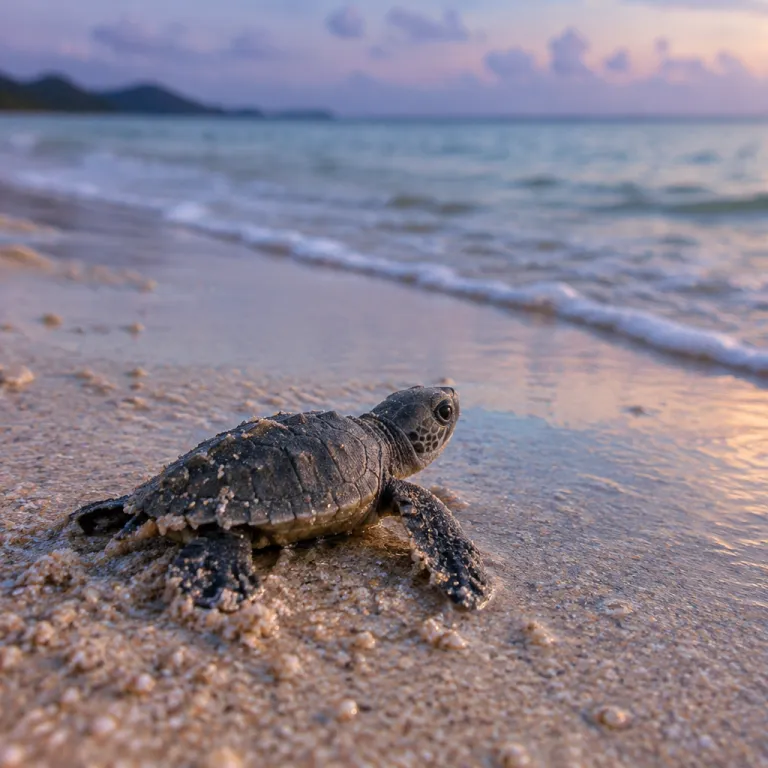
Why October on Nevis belongs to the sea turtles
October on Nevis sits in a quiet sweet spot for sea turtle watching. The nevis sea turtle hatchling season october overlaps with the final leatherback hatchlings and the later hawksbill nesting, so the island feels tuned to the sea and its oldest swimmers. You come for calm trade winds and warm water, then realise the beach after dark can feel like a live event written by the moon.
On neighbouring St Kitts, leatherback nesting runs from February through July, with hatchlings sometimes emerging into early October, while hawksbills nest mainly from July through February according to the St Kitts Sea Turtle Monitoring Network. That timing means the wider nesting season across both islands stretches for many months, but nevis sea turtle hatchling season october is when solo travellers often find fewer crowds and more patient guides on the Caribbean side. You should still treat every sighting of a sea turtle or multiple sea turtles as a privilege, because turtles live by ocean rhythms, not resort calendars.
Nevis is an island where volcanic slopes fall quickly to narrow strands of sand, and those strands hide fragile nests just above the high tide line. Conservation teams quietly mark turtle nests with low stakes, then monitor the eggs through the long weeks of incubation, always reminding guests that nesting season is never a guarantee of hatchlings on any given night. Think of nevis sea turtle hatchling season october as a window of possibility rather than a scheduled tour.
For a luxury traveller, that uncertainty is part of the appeal, because the most memorable nights rarely start as a planned turtle tour. You might be walking back from dinner at a resort on the calmer Caribbean side when a guide from a local turtle group asks you to dim your phone and step back from the beach. In that moment, the line between five star resort and wild shoreline blurs, and the island feels exactly as it should during hatchling season.
Reading the beaches: where and how turtles nest on Nevis
To understand nevis sea turtle hatchling season october, you first need to understand how turtles nest on these twin islands. St Kitts and Nevis together host hawksbill, leatherback and green turtles, with different coasts and each side of each island suiting different species. The Atlantic side tends to feel rougher and more remote, while the Caribbean side offers calmer water and easier access from a resort.
Leatherbacks, the giants of the loggerhead sea and their endangered sea turtle cousins, favour deeper offshore waters and broad sandy beaches, which is why St Kitts sees more leatherback nests from February July. Hawksbills, often associated with coral reefs, use smaller coves on Nevis, where turtle nesting can continue into the later months and keep the nevis sea turtle hatchling season october quietly active. Green turtles nest less frequently here, but their presence underlines how important this island pair has become for regional turtle conservation.
On Nevis, you will hear staff at a refined resort nevis property talk about “our beach” in one breath and “their nests” in the next. They know that turtle conservation starts with simple rules on the sand, like keeping furniture off the upper beach where turtles nest and dimming lights during nesting season so hatchlings can orient toward the sea. When a nevis turtle chooses to nest in front of a hotel, it is both an honour and a responsibility.
Adults only travellers staying at an elegant all inclusive escape on St Kitts can still join the story, even if they sleep on a different island. Many properties on both islands now brief guests on turtle nesting etiquette at check in, especially during nevis sea turtle hatchling season october, and some arrange transfers for carefully managed night walks. If you are considering a refined adults only stay, look for properties highlighted in guides to elegant adults only all inclusive escapes in Saint Kitts, then ask directly how they support turtle conservation on nearby beaches.
Choosing a luxury base that respects turtle conservation
Booking a high end stay for nevis sea turtle hatchling season october is less about marble bathrooms and more about how a property behaves after dark. On Nevis, the most interesting luxury addresses sit close enough to the sea that you can hear waves from your room, yet far enough back from the beach to leave space for nests. That balance matters when sea turtles haul themselves ashore at night to lay eggs in the sand.
Some properties on the Caribbean side work closely with local conservation partners, adjusting their lighting plans during nesting season and training staff to recognise signs of turtle nesting. Ask whether the resort participates in any turtle conservancy programme, whether they log sightings with the St Kitts Sea Turtle Monitoring Network, and how they handle guests who want to tour turtles on the beach. A serious resort nevis team will talk about red filtered flashlights, controlled group sizes and strict no touch policies for every turtle, every time.
On St Kitts, larger properties sometimes market themselves as seasons resort style escapes, promising activity year round, but only a few truly integrate turtle conservation into their operations. Before you book, read independent overviews of resorts for refined Caribbean island escapes and then email the hotel with specific questions about nevis sea turtle hatchling season october and related wildlife policies. The way a reservations team answers a detailed question about turtles nest protection often tells you more than any brochure.
Solo travellers should also consider how a property’s layout shapes their own behaviour during nesting season. A resort with a single, well lit path set back from the beach makes it easier to avoid disturbing nests, while scattered villas right on the sand can create more pressure on turtle nesting habitat. When in doubt, choose the place that treats the beach as shared ground between guests and turtles, not as a private terrace.
How to watch hatchlings responsibly on Nevis and St Kitts
Responsible viewing is what turns nevis sea turtle hatchling season october from a wildlife checklist into a meaningful experience. The basic rules are simple ; stay low, stay quiet, keep your distance and never use white light on the beach at night. That means no phone torches, no camera flashes and no standing directly in front of a nesting turtle or a line of hatchlings heading to the sea.
On both islands, conservation groups such as the St Kitts Sea Turtle Monitoring Network coordinate trained volunteers who patrol key beaches during nesting season. Visitors can sometimes join a supervised turtle group when conditions allow, but these nights are always framed as conservation first and tour second, which is exactly how nevis sea turtle hatchling season october should feel. You might spend hours under the stars with no turtles at all, then suddenly watch a single hatchling emerge from a nest and race toward the surf.
When you book, ask your resort if they liaise with any turtle conservancy or local turtle conservation project, and whether guests can sign up for alerts rather than fixed turtle tours. A good hotel will emphasise that turtles live by their own timetable and that any live event style gathering on the beach must be tightly controlled. If someone offers a guaranteed turtle tour with bright lights and large crowds, walk away.
For a deeper sense of place, pair your nevis sea turtle hatchling season october stay with an inland walk among old sugar estates and petroglyphs, using guides such as this exploration of pre plantation history. Understanding how long people have shared these islands with turtles makes each nesting season feel less like a spectacle and more like a continuing relationship. You are not just watching sea turtles ; you are stepping briefly into a story that began long before any resort and will, with care, continue long after.
FAQ
What makes October special for sea turtles on Nevis and St Kitts ?
October falls at the overlap of different turtle seasons on the two islands, which is why nevis sea turtle hatchling season october can be quietly rewarding. On St Kitts, leatherback nesting runs from February through July, with hatchlings sometimes emerging into early October, while hawksbills nest mainly from July through February according to the St Kitts Sea Turtle Monitoring Network. On Nevis, that means you may encounter late hatchlings or ongoing turtle nesting activity, but sightings are never guaranteed.
Which beaches are best for seeing turtles during hatchling season ?
The most important nesting beaches are not always the most famous swimming spots, and conservation groups avoid publicising exact locations to protect nests. In general, more exposed stretches on the Atlantic side see fewer visitors but can host significant turtle nesting, while some quieter coves on the Caribbean side of Nevis and St Kitts support hawksbill nests. Ask your resort which nearby beach is monitored by a turtle group and whether guests can join supervised walks during nevis sea turtle hatchling season october.
How can I choose a hotel that supports turtle conservation ?
Before booking, email the property with specific questions about lighting policies, staff training and cooperation with local turtle conservation organisations. A serious resort nevis or St Kitts property will explain how they manage beach furniture, control lights during nesting season and coordinate with monitoring networks to protect nests. If a hotel treats nevis sea turtle hatchling season october purely as a marketing hook without clear conservation measures, consider another option.
Are turtle watching tours suitable for families and solo travellers ?
Supervised turtle walks can work well for both solo travellers and family groups, provided everyone is prepared for late nights and the possibility of seeing nothing. Children need close supervision to ensure they stay behind guides, keep quiet and never touch a turtle, a nest or any hatchlings. Whether you travel alone or with a family, choose operators who frame nevis sea turtle hatchling season october as a conservation experience rather than guaranteed entertainment.
Can I help sea turtles beyond just watching them on the beach ?
Yes, you can support turtles by choosing low impact accommodation, following all beach guidelines and donating directly to reputable conservation groups working on St Kitts and Nevis. Some organisations offer symbolic turtle adoption programmes that fund monitoring, research and education, which can be a meaningful way to extend your impact beyond a single nesting season. Even small actions, such as reducing plastic use and respecting marked nests, contribute to the long term survival of these endangered sea turtles.