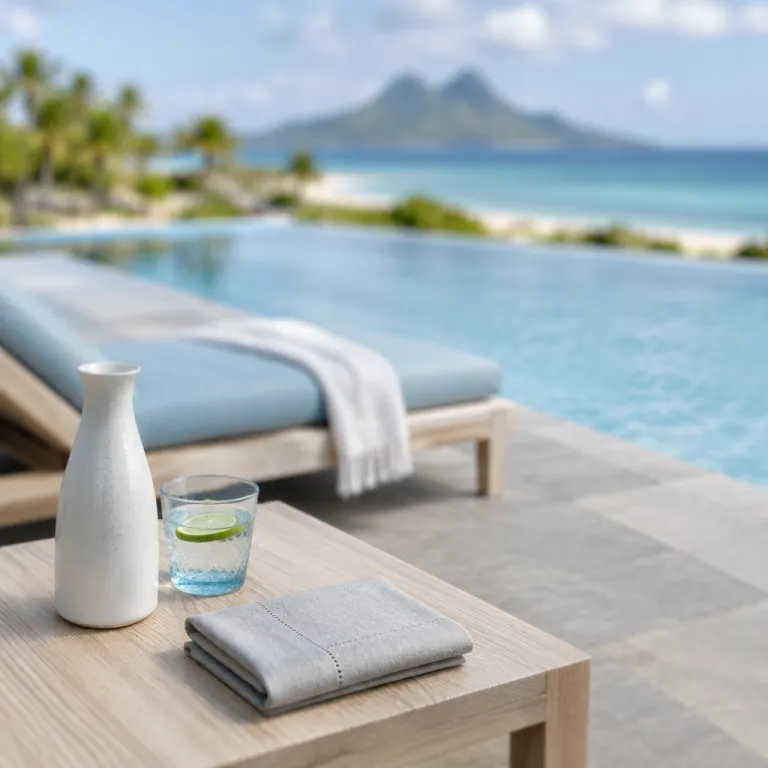
Nevis island at a glance for luxury minded travellers
Nevis island sits quietly in the eastern Caribbean, facing its larger neighbour Saint Kitts across the Narrows. This small island belongs to the twin nation of Saint Kitts and Nevis, yet it feels like a separate world with its own rhythm and refined character. For travellers planning premium stays, the balance between unspoiled nature and polished service on Nevis is rare.
The island is part of the Leeward Islands in the West Indies, with Nevis located just south of Saint Kitts in warm turquoise water. Luxury guests arrive by water taxi or scheduled ferry, gliding past the green cone of Nevis Peak and the gentle outline of the surrounding volcanic lava domes. As you approach, the west coast opens into a sweep of golden beach and low rise resort hideaways that define the understated style of Nevis luxury stays.
Charlestown, the island’s historic centre, anchors the experience with Georgian stone buildings and mineral hot springs. This compact town is located on the sheltered west side, where the island administration, banks, and small shops cluster around the waterfront. From Charlestown you can see the curve of Pinney Beach to the north and the outline of Saint Kitts to the west, reminding you how close yet different these islands feel.
Nevis has a long history of sugar plantation estates, many of which now host elegant hotels and villas. Properties such as Nisbet Plantation Beach Club and other restored plantation houses on the slopes of Saddle Hill blend heritage architecture with contemporary comfort. These plantation settings give luxury travellers a sense of place that pure beach resorts in other Caribbean islands sometimes lack.
The climate on the west coast of Nevis is warm and breezy, with trade winds tempering the tropical sun. Sea water temperatures usually stay between 26 and 29 degrees Celsius, which suits long swims and paddle sessions off Pinney Beach or Cades Bay. For guests booking premium rooms, this reliable weather pattern means outdoor dining, sunset cocktails, and late evening walks along the beach club fronts feel effortless.
Because the island is small, distances between the main resort areas, Charlestown, and Nevis Peak trailheads rarely exceed 20 minutes by car. This compact scale allows you to combine a morning hike on a volcanic hill with an afternoon at a plantation beach or a spa session in a seasons resort style property. For travellers comparing options across the Caribbean, that easy access to both nature and luxury is a decisive advantage.
Coastlines, water, and the quiet luxury of Nevis beaches
The west coast of Nevis island is where most luxury travellers choose to stay, thanks to its calm water and long arcs of sand. Pinney Beach is the signature stretch, running north from Charlestown with soft sand, gentle waves, and a relaxed beach club scene. Here, premium hotels and villas sit back from the shoreline, preserving open views across to Saint Kitts and the wider Caribbean Sea.
Further north, Cades Bay offers a more intimate beach experience, with small coves and views of the channel between the two islands. The water here is usually clear and shallow near shore, which suits paddle boarding, snorkelling, and relaxed swims for guests who prefer quieter corners of Nevis. Luxury properties in this area often arrange private boat transfers across to Saint Kitts, turning the short hop into a personalised travel moment.
Plantation Beach, a term often used locally for stretches of sand near former estates, combines coastal relaxation with glimpses of Nevis plantation history. Some resorts integrate old stone walls and sugar mill ruins into their beach club designs, creating a sense of continuity between land and sea. When you walk these beaches at sunset, the silhouette of Nevis Peak and the outline of the volcanic hill country frame the shoreline in dramatic fashion.
On the north and east coasts, the Atlantic side of the island feels wilder, with stronger surf and fewer resorts. These beaches appeal to travellers who value solitude and the raw energy of the eastern Caribbean, even if swimming conditions can be more challenging. Many guests staying on the west coast arrange guided drives to these Atlantic beaches, then return to the calmer water and refined service of their chosen Nevis resort base.
For those who time their trip outside the busiest months, the sea between Nevis and Saint Kitts often turns glassy and almost silent. This is when kayaking or paddle boarding across the Narrows becomes a meditative experience, especially during the quieter weeks described in guides to serene days on the water between the islands. Luxury travellers who value privacy often favour these shoulder periods, when beach club loungers are spaced generously and restaurant reservations feel effortless.
Snorkelling and diving around Nevis reveal coral gardens, reef fish, and occasional turtles, particularly off the west coast. Several high end hotels and independent operators offer private charters, allowing couples or families to explore the water around both Saint Kitts and Nevis in comfort. When planning your booking, it is worth checking which resorts include non motorised water sports, as this can add significant value to a premium stay.
From Nevis Peak to Saddle Hill: inland landscapes and heritage
Beyond the beaches, the interior of Nevis island rises quickly towards Nevis Peak, a near perfect volcanic cone often wrapped in cloud. This peak dominates views from almost every luxury resort on the island, reminding guests that the lush slopes owe their fertility to ancient lava domes and ash. For active travellers, guided hikes up the flanks of Nevis Peak or around Saddle Hill provide a striking contrast to days spent by the water.
The trails that wind through the rainforest are usually steep but rewarding, passing giant tree ferns, bamboo stands, and occasional viewpoints over the west coast. From certain clearings you can see Saint Kitts, the line of the Leeward Islands, and the full curve of Pinney Beach below. Many luxury hotels arrange private guides and transfers, so guests can start early, reach a saddle on the hill, then return to a late breakfast at their seasons resort style property.
Heritage is another strong thread running through inland Nevis, where former sugar estates once covered much of the island. Today, several plantation houses have been restored as refined hotels or restaurants, including the ocean facing Nisbet Plantation on the north east coast. Staying in a Nevis plantation setting means sleeping under high wooden ceilings, walking past stone chimneys, and feeling the layered history of the West Indies in every corridor.
Charlestown itself reflects this past, with Georgian era buildings, churches, and the remains of old warehouses along the waterfront. The town serves as the administrative centre for Nevis, housing the island administration, law courts, and key services in a compact grid of streets. Luxury travellers often appreciate how easy it is to combine a morning of shopping and heritage walking in Charlestown with an afternoon at a nearby beach or resort pool.
Botanical gardens on Nevis add another dimension to inland exploration, showcasing tropical plants, orchids, and palms from across the Caribbean and beyond. These botanical gardens are usually located on gentle slopes, with views back towards Nevis Peak and down to the sea, which makes them ideal for unhurried strolls between spa appointments. For guests staying at high end properties, private transfers and guided tours can turn a simple garden visit into a curated cultural experience.
When comparing Nevis with Saint Kitts, the smaller island often feels more intimate and more focused on quiet luxury. Saint Kitts offers larger casino resorts and busier nightlife, while Nevis leans towards plantation elegance, wellness retreats, and low key beach club evenings. Travellers who want to sample both styles can base themselves on one island, then use ferries or private boats to explore the other, guided by resources such as curated overviews of refined Saint Kitts resorts for Caribbean island getaways.
Choosing your luxury base: resorts, villas, and plantation stays
When selecting a place to stay on Nevis island, the first decision is usually between a full service resort and a more independent villa or plantation style property. Beachfront resorts on the west coast tend to offer the most comprehensive facilities, including pools, beach club access, and on site dining. Plantation houses in the hills or near the shore, by contrast, emphasise heritage architecture, gardens, and a quieter, more residential feel.
Many premium travellers are drawn to properties that combine both, such as a seasons resort style complex that offers villa style accommodation with hotel level services. These resorts often occupy prime positions along Pinney Beach or Cades Bay, where the water is calm and sunsets are reliably dramatic. Guests can move easily between their suites, the beach club, and spa pavilions, while still arranging private excursions into the volcanic interior or across to Saint Kitts.
Plantation stays such as Nisbet Plantation on the north east coast provide a different rhythm, with palm lined avenues leading from historic great houses down to the sand. Here, the sound of the Atlantic replaces the gentler hush of the Caribbean Sea on the west side, creating a slightly wilder atmosphere. For many, the combination of Nevis plantation history, ocean breezes, and attentive service defines the essence of island luxury.
Some travellers prefer smaller villa clusters or stand alone homes, often located on hillsides above the west coast. These properties trade the immediate access of a beachfront resort stay for elevated views of Nevis Peak, Saint Kitts, and the surrounding islands. When paired with private chefs and concierge services, such villas can match or exceed the comfort of traditional resorts while offering greater privacy.
For those who value spa and wellness facilities, it is worth considering properties that integrate hydrotherapy pools, yoga decks, and holistic treatments into their design. One example is the refined complex highlighted in guides to serene coastal luxury at Nevis beach villas and spa, where guests can move seamlessly between water based relaxation and tailored therapies. Such resorts often sit close to the shoreline, allowing you to alternate between the pool, the sea, and shaded garden courtyards.
Whichever style you choose, pay attention to how each property connects you to the wider island. Some resorts focus strongly on the beach and water sports, while others emphasise cultural excursions to Charlestown, botanical gardens, and historic lava domes or hill forts such as Saddle Hill. The most rewarding stays on Nevis usually blend these elements, giving you both the comfort of a polished resort and the authenticity of local experiences.
Planning your trip: access, seasons, and practical details
Reaching Nevis island typically involves flying into Robert L. Bradshaw International Airport on Saint Kitts, then continuing by sea. The short transfer across the channel, whether by scheduled ferry or private water taxi, becomes part of the travel experience as Nevis Peak comes into view. For guests staying at higher end resorts, it is common for the hotel to arrange seamless transfers from plane to boat to reception.
Another option is to fly directly into Vance W. Amory International Airport on Nevis, which handles regional flights from nearby Caribbean islands. This can be convenient for travellers connecting through hubs such as Antigua or Saint Martin, especially when schedules align well with long haul arrivals. Once you land, most major resorts and plantation houses are located within a 20 to 30 minute drive, thanks to the island’s small size.
Seasonality matters when planning a luxury stay on Nevis, both for weather and for crowd levels. The drier months tend to attract more visitors, with higher rates at beachfront resorts and greater demand for suites with direct beach club access. Shoulder periods can offer excellent value, calmer water between Nevis and Saint Kitts, and a more relaxed atmosphere at restaurants and spas.
Because Nevis island lies within the tropical belt, brief showers are possible at any time, especially on the slopes of Nevis Peak. These showers keep the volcanic soil fertile and the botanical gardens lush, which is part of the island’s appeal for nature minded guests. Many travellers find that a mix of sun and cloud actually makes hiking and outdoor dining more comfortable than unbroken heat.
When budgeting, remember that premium properties on Nevis and Saint Kitts often include breakfast, non motorised water sports, and sometimes transfers in their rates. Comparing what is included at each resort across the island can reveal meaningful differences in overall value, especially for longer stays. It is also wise to factor in restaurant prices, spa treatments, and private excursions to nearby islands when planning your total spend.
Travel formalities are straightforward for most visitors, with Saint Kitts and Nevis sharing a common immigration system and entry requirements. Always check current regulations with official government sources before booking, as rules can change and may differ between nationalities. Once on the ground, you will find that the island administration on Nevis runs efficiently, with good road networks linking Charlestown, the west coast, and the hill country around Saddle Hill.
What sets Nevis apart from other Caribbean islands
Among the many islands of the West Indies, Nevis stands out for its combination of intimacy, heritage, and understated luxury. The island’s small size means you are never far from the sea, the volcanic slopes of Nevis Peak, or the historic streets of Charlestown. This compact geography allows travellers to experience beach, hill, and plantation settings in a single day without feeling rushed.
Compared with larger destinations in the eastern Caribbean, Nevis island maintains a quieter, more residential character, even at its most polished resorts. There are no high rise hotel towers here, and the skyline remains dominated by palm trees, plantation chimneys, and the green cone of the central peak. For many luxury guests, this absence of visual clutter is a decisive reason to choose Nevis over busier Caribbean islands.
The relationship between Nevis and Saint Kitts also shapes the experience, as travellers can sample two distinct island personalities in one trip. Saint Kitts offers larger marinas, golf courses, and more extensive nightlife, while Nevis focuses on heritage estates, botanical gardens, and tranquil beach club evenings. Together, Saint Kitts and Nevis create a versatile destination where you can adjust the balance between activity and calm as your mood shifts.
Another distinguishing feature is the way Nevis integrates its volcanic origins into the visitor experience. From the hot springs near Charlestown to the hiking routes around lava domes and Saddle Hill, the island’s geology is always close at hand. Even the fertile soils that support lush gardens at resorts and plantation houses owe their richness to ancient eruptions.
For travellers who value authenticity, the preservation of Nevis plantation architecture and village life is particularly compelling. Many staff at high end resorts have deep family roots on the island, and their stories add texture to stays at properties such as Nisbet Plantation or hillside villas above the west coast. This continuity between community and hospitality helps explain why repeat visitors to Nevis island are so common.
Ultimately, choosing Nevis over other Caribbean islands is a decision in favour of space, calm, and a strong sense of place. You trade vast entertainment complexes for intimate beach club decks, and crowded promenades for quiet Charlestown streets after dusk. For many luxury travellers, that exchange feels not like a compromise but like an upgrade in quality of life during their stay.
How to match Nevis stays with your travel style
Every traveller arrives on Nevis island with different priorities, and the key to a rewarding stay is aligning those with the right property and location. If your ideal holiday centres on the beach and warm water, focus on resorts along Pinney Beach, Cades Bay, or similar west coast stretches. These areas offer the calmest seas, the most developed beach club scenes, and easy access to sunset views over Saint Kitts and the wider Caribbean.
Travellers who care most about heritage and landscape might prefer plantation houses or hillside villas closer to Nevis Peak and Saddle Hill. From these bases, it is simple to arrange guided hikes, visits to botanical gardens, and tours of historic lava domes or sugar mill ruins. You still remain within a short drive of Charlestown and the coast, but your daily rhythm will feel more connected to the island’s volcanic heart.
Wellness focused guests often look for resorts that combine spa facilities, yoga spaces, and healthy dining with direct access to the sea. Properties that follow a seasons resort philosophy of integrated wellness can be particularly appealing, especially when they sit near quiet sections of the west coast. In such places, you can move from morning meditation to a swim in clear water, then on to a massage or hydrotherapy circuit without leaving the property.
Families may prioritise space, flexible dining, and easy logistics, which often points towards villa style accommodation within resort complexes. These options provide kitchens, multiple bedrooms, and access to pools and kids’ activities, while still benefiting from concierge support and organised excursions. When comparing offers across Saint Kitts and Nevis, look closely at how each resort structures family services, from babysitting to water sports tuition.
Couples, by contrast, might favour smaller properties or suites that emphasise privacy, views, and personalised service. A Nevis plantation setting with only a handful of rooms, or a beachfront suite with a plunge pool and direct beach access, can feel particularly special. In both cases, the island’s small scale and gentle pace support unhurried days and quiet evenings under the stars.
Whatever your profile, it pays to think of Nevis island not just as a single beach destination but as a layered place where volcanic hills, historic estates, and calm seas intersect. Matching your travel style to the right combination of beach, hill, and plantation experiences will turn a simple holiday into a deeply satisfying Caribbean stay. When that alignment is right, the twin nation of Saint Kitts and Nevis becomes not just a backdrop but an integral part of your luxury journey.
Key figures for luxury travel on Nevis island
- Nevis and Saint Kitts together cover roughly 261 square kilometres, with Nevis accounting for about 93 square kilometres, which helps explain the island’s intimate feel compared with larger Caribbean destinations (Government of Saint Kitts and Nevis, 2022).
- Nevis Peak rises to approximately 985 metres above sea level, creating a significant vertical contrast between beach and hill experiences within very short driving distances (Caribbean Geological Surveys, 2021).
- Average sea surface temperatures around Nevis typically range from 26 to 29 degrees Celsius across the year, supporting year round swimming and water sports for resort guests (NOAA climatological data, 1991–2020 averages).
- Tourism contributes more than half of the gross domestic product for Saint Kitts and Nevis, underlining the importance of high quality hospitality infrastructure on both islands (World Travel & Tourism Council, Economic Impact Report 2023).
- Direct regional flights connect Nevis and Saint Kitts with several eastern Caribbean hubs, placing the twin islands within one or two short hops of major North American and European gateways (Caribbean airline schedules, 2024).
FAQ about luxury stays on Nevis island
Is Nevis island suitable for a high end beach holiday ?
Nevis island is very well suited to high end beach holidays, particularly along its west coast. Resorts on Pinney Beach, Cades Bay, and nearby stretches offer calm water, refined beach club settings, and easy access to spa and dining facilities. The absence of large crowds compared with some other Caribbean islands enhances the sense of exclusivity.
How does Nevis compare with Saint Kitts for luxury travellers ?
Saint Kitts tends to offer larger resorts, casinos, and more extensive nightlife, while Nevis focuses on smaller scale luxury, plantation heritage, and tranquil beaches. Many travellers choose to stay on Nevis for its calm atmosphere, then visit Saint Kitts for day trips or specific activities. The short sea crossing makes it easy to enjoy both islands in a single itinerary.
What is the best area of Nevis to stay in for first time visitors ?
For first time visitors, the west coast near Pinney Beach and Charlestown is often the best choice. This area combines easy access to the beach, restaurants, and water sports with short transfers to the island administration centre and historic sites. From here, it is simple to arrange excursions to Nevis Peak, botanical gardens, and plantation houses.
Do luxury resorts on Nevis offer enough activities for a week long stay ?
Most luxury resorts on Nevis provide a wide range of activities, including water sports, spa treatments, guided hikes, and cultural excursions. When combined with day trips to Saint Kitts, visits to botanical gardens, and time at plantation properties, a week can feel comfortably full without being rushed. Many guests find that the island’s relaxed pace encourages a balance of activity and rest.
Is it easy to combine Nevis with other Caribbean islands in one trip ?
Combining Nevis with other Caribbean islands is feasible, especially via regional hubs such as Antigua, Saint Martin, or Barbados. Travellers often pair Saint Kitts and Nevis with one additional island to avoid excessive travel time and preserve relaxation. Working with a knowledgeable travel advisor or using reliable airline schedules helps ensure smooth connections.