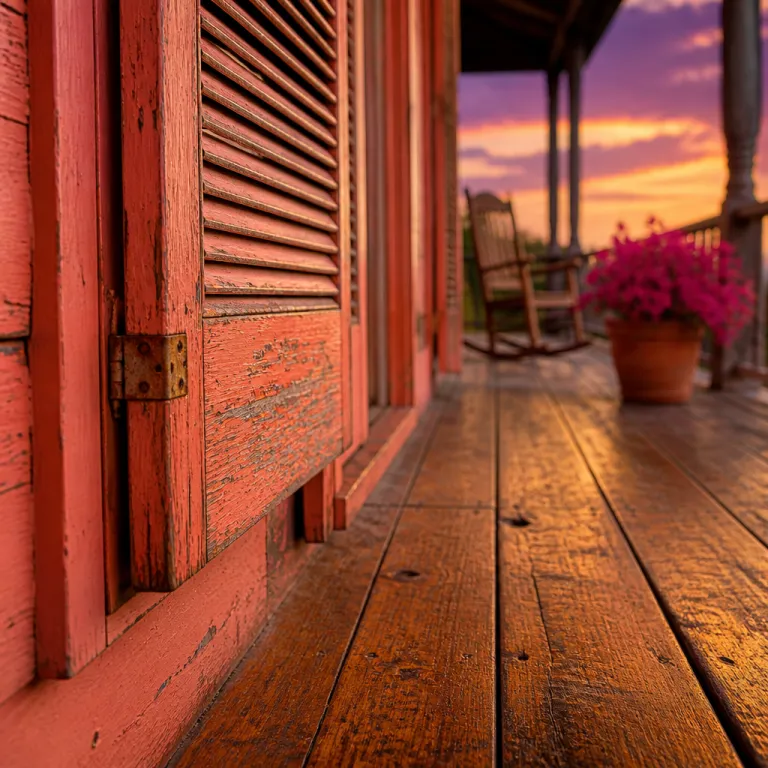
The great house at Hermitage Plantation Inn on Nevis
The Hermitage Plantation Inn on Nevis centres around a weathered timber great house that quietly claims a Caribbean record. Local historians and the owners describe it as one of the region’s oldest surviving wooden houses in continuous use, a great house believed to have been built in the late seventeenth or early eighteenth century that has survived hurricanes, earthquakes and the end of the sugar era. Step onto its shaded verandah and the creak of the floorboards, the scent of polished wood and the slow ceiling fans tell you this is not a themed hotel set but a lived in house where time has simply kept moving.
The original manor house was raised by the Pemberton family, English settlers who turned this Nevis hillside into a working plantation with views down to the Caribbean Sea and across to St Kitts. Today the same great house anchors a small country inn where just 13 rooms and suites are scattered around the gardens, so the scale feels domestic rather than resort like. You walk through the front door of the Hermitage Nevis great house not to a museum but to a reception desk, a bar pouring rum punch and a restaurant verandah where dinner is served by candlelight.
Architecturally, the Hermitage Nevis great house is a study in traditional West Indian style, with steep shingle roofs, jalousie windows and deep galleries that catch the trade winds. Lignum vitae timbers, laid by Nevisian craftsmen, still hold the structure together, and antique furnishings sit beside simple island textiles in each room. As one long time guest put it, “you wake up to the sound of the boards creaking and realise you’re inside the history you came to see, not just looking at it from the outside.” When you book this hotel you are not just reserving a room on an island; you are choosing to sleep inside what many consider one of the Caribbean’s oldest wooden plantation houses, a rare chance to inhabit three and a half centuries of Caribbean domestic history.
Gingerbread cottages, hillside rooms and estate living
Beyond the great house, the Hermitage Plantation Inn unfolds as a loose cluster of gingerbread cottages and hillside rooms set among fruit trees and flowering shrubs. Each room is different in size and style, some converted from original plantation outbuildings, others purpose built to echo traditional Nevis chattel houses with fretwork trim and shuttered windows. Couples who like a sense of seclusion tend to choose the gingerbread cottages higher on the slopes of Nevis, where verandahs look across the gardens towards the Caribbean and the distant outline of St Kitts.
The historic timber great house may be the headline, but the everyday pleasure lies in how you move between these rooms and shared spaces. You wander from your cottage past the small swimming pool, where the water reflects the green slopes of Nevis Peak, then on to the bar for a late afternoon rum punch before dinner. Because there are only 13 rooms, the atmosphere feels more like a relaxed family house than a formal hotel, and the Lupinacci family who own the property are usually on hand to talk about the history of Nevis Hermitage or help you plan a drive by car to a favourite beach.
For travellers weighing where to stay in the wider Kitts Nevis archipelago, Hermitage sits firmly in the heritage camp rather than the all inclusive beach resort world. If you want a refined island escape with more facilities and direct sand access on St Kitts, an all inclusive stay described in this guide to planning an all inclusive vacation to St Kitts for a refined island escape may suit better. If you prefer a plantation style room with polished floorboards, ceiling fans and the sense that generations have slept here before you, then the Hermitage Plantation Inn and its cluster of gingerbread cottages will feel like the right kind of Caribbean time travel.
Gingerland setting between Nevis Peak and the Caribbean Sea
The Hermitage Plantation Inn sits in Gingerland, on the eastern slopes of Nevis Peak where the air is a few degrees cooler than on the coast. From the verandah of the great house you look down over the swimming pool and lawns towards the Caribbean, with the south coast beaches and the channel to St Kitts in the distance. This elevated setting means you wake to birdsong and the rustle of palm fronds rather than beach bar music, yet you are still only a short car ride from a plantation beach or a quiet local cove.
Staying here places you in the middle of Nevis plantation country, where former sugar estates have become some of the island’s most characterful hotels. Hermitage Plantation, Montpelier Plantation and Golden Rock all sit on the slopes of Nevis, each with its own interpretation of West Indian estate style and each with a different angle on the island’s volcanic landscape. Over a week you could sleep in the Hermitage great house, dine at Montpelier Plantation, then wander the tropical gardens at Golden Rock, building a layered picture of how Nevis has turned its plantation past into a quietly luxurious present.
This part of the island also rewards travellers who like to explore beyond the hotel gates. Hiking trails lead from the slopes of Nevis Peak down towards the coast, and a detailed route is outlined in this guide to the Nevis Peak crater lake trail and the island’s volcanic soul. After a morning on the trail you return to the Hermitage Nevis swimming pool, where the combination of altitude, trade winds and the shelter of the great house makes the water feel particularly refreshing.
Food, rum punch and evenings on the verandah
Life at the Hermitage Plantation Inn is structured as much around the restaurant as around the rooms. Breakfast is taken on the verandah of the great house, where strong coffee, local fruit and traditional Nevis bakes arrive on blue and white china while the Caribbean light filters through wooden shutters. At night the same verandah becomes one of the island’s most atmospheric dining rooms, with candles on the tables, the creak of the old floorboards and the scent of nutmeg and charcoal drifting up from the estate kitchen.
The kitchen leans into traditional West Indian recipes, using local produce from Nevis farms and fishermen, and the weekly West Indian buffet and pig roast has become a fixture on the island’s social calendar. As the owners explain in their own words, "The Hermitage offers meals inspired by traditional Nevisian recipes, including a Wednesday night West Indian buffet and pig roast." Non residents drive up from the beach by car for the evening, but staying in one of the Hermitage Nevis rooms means you can linger over a final rum punch, talk with the Lupinacci family about the history of the great house, then walk a few metres back to your room under the stars.
There is no swim up bar here, no thumping soundtrack, just the quiet rhythm of an old plantation house that has always been a place to eat, talk and sleep. If you are interested in how Caribbean fine dining has evolved from these estate kitchens, a useful counterpoint is the plantation kitchen at Ottley’s on St Kitts, explored in this feature on the plantation kitchen where Caribbean fine dining found its voice. Together, these properties show how the Kitts Nevis islands have turned former sugar estates into hotels where the restaurant is as central to the experience as the room or the swimming pool.
Who the Hermitage Plantation Inn is really for
The Hermitage Plantation Inn suits travellers who value character over polish and history over long amenity lists. If you need a tennis court, a spa menu and a line of identical rooms facing a beach, this is not your hotel, and a larger property on St Kitts or a plantation beach resort may be a better fit. If you like the idea of a creaking wooden house, a handful of individually furnished rooms and a bar where the owner, Richard Lupinacci, might pour your rum punch himself, then this Nevis Hermitage address belongs on your shortlist.
The Lupinacci family acquired the property in the twentieth century and have spent decades restoring the great house and surrounding buildings using traditional techniques and local craftsmen. Their approach has been to keep the historic Hermitage great house as a functioning family house first and a hotel second, which is why you still see books on the shelves, family photographs on the walls and dogs asleep under the tables. Guests who return year after year talk less about the swimming pool or the size of the room and more about the feeling of being welcomed into a lived in manor house on a small Caribbean island.
For couples planning an island getaway across Kitts Nevis, a thoughtful itinerary might pair a few nights at a beach hotel with several nights at Hermitage Plantation or Montpelier Plantation in the hills. That way you experience both the easy sand of a plantation beach and the cooler air of the slopes of Nevis, along with the contrasting restaurant styles at Golden Rock and the Hermitage Nevis great house. In a region where many hotels chase the same glossy ideal, sleeping in this centuries old wooden house offers something rarer; a direct, tangible connection to the Caribbean’s layered plantation history.
FAQ
What makes the Hermitage Plantation Inn historically significant on Nevis ?
The Hermitage Plantation Inn is centred on what is widely regarded as one of the oldest surviving wooden great houses in the Caribbean, dating back to the late seventeenth or early eighteenth century. This timber house has endured hurricanes, earthquakes and the end of the sugar economy while remaining in continuous domestic use. Staying here means your room is part of a living historic estate rather than a recreated heritage attraction.
What types of rooms and cottages are available at the Hermitage ?
The property offers a small collection of about 13 accommodations, including rooms in the great house, hillside and balcony rooms and freestanding gingerbread cottages. Some units are converted from original plantation buildings, while others are newer structures designed in traditional West Indian style with fretwork and verandahs. A few larger villas with private pools are also available for guests who want more space and privacy.
Is the Hermitage Plantation Inn suitable for beach focused holidays ?
The inn sits in Gingerland on the slopes of Nevis Peak, around 240 metres above sea level, so it is not directly on the beach. Guests typically rent a car or use taxis to reach nearby plantation beach clubs and south coast bays within a short drive. This makes the Hermitage better suited to travellers who enjoy a mix of inland estate living, hiking and coastal excursions rather than a pure beach resort stay.
What dining experiences can guests expect at the Hermitage restaurant ?
The restaurant at the Hermitage Nevis focuses on traditional Nevisian and wider West Indian dishes, using local produce and recipes passed down through generations. Breakfast and dinner are usually served on the verandah of the great house, creating a strong sense of place. A highlight for many guests is the weekly West Indian buffet and pig roast, which attracts both residents and visitors from across the island.
How does Hermitage compare with Montpelier Plantation and Golden Rock on Nevis ?
Hermitage Plantation, Montpelier Plantation and Golden Rock all occupy former estates on the slopes of Nevis but offer distinct atmospheres. Hermitage centres on its historic wooden great house and feels like an intimate family run manor house, Montpelier leans towards a more polished country house hotel style and Golden Rock is known for its contemporary art, bold gardens and dramatic views. Many travellers choose to combine stays at two or three of these properties to experience the full spectrum of Nevis plantation living.