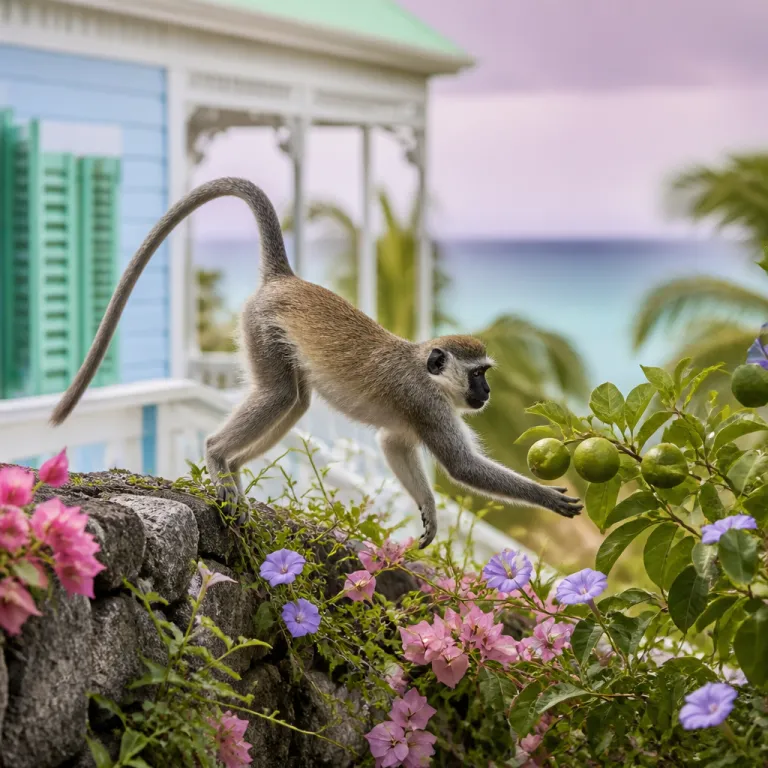
Why green vervet monkeys shape how you choose your island stay
On St. Kitts and Nevis, the question is not whether you will see monkeys, but how you want those encounters to feel. For families booking luxury hotels, the real magic lies in stepping from a shaded veranda straight onto a trail where a green vervet monkey pauses on a stone wall, watching your children with the same curiosity they feel. That is why the smartest premium stays now treat the green vervet monkeys of St. Kitts as part of the guest experience, not a sideshow for hurried tourism groups.
The main search many travelers make — green vervet monkeys saint kitts where to see — is really a question about access, ethics and comfort. You want to know where on the island you can walk safely with children, how close the vervet monkeys will come, and whether the hotel understands the delicate balance between a thriving monkey population and respectful human behaviour. On this twin island federation, the best addresses answer all of that quietly, with staff who know each troop’s favourite food trees and the times they cross the lawns.
Green monkeys here are an African green species, brought centuries ago on ships that linked West Africa to the Caribbean sugar trade. Over time, the vervet monkeys adapted so successfully that the monkey population on St. Kitts now rivals, and in some areas exceeds, the human population, creating both wonder and a persistent monkey problem for farmers. For luxury travelers, that history matters, because it shapes where you are most likely to see a kitts monkey at dawn, and why some hotels have become careful stewards of this invasive species rather than casual feeders.
Belle Mont Farm and Kittitian Hill: waking up inside monkey territory
If you are serious about green vervet monkeys saint kitts where to see, start your search on the forested slopes above the capital city. Belle Mont Farm at Kittitian Hill sits on a vast organic estate, and the kitts green hillsides around it are effectively a private viewing gallery for vervet monkeys moving between fruit trees, water sources and the forest edge. Families who stay here often see multiple groups of monkeys kitts wide before breakfast, simply by stepping onto their cottage terrace with a coffee.
The estate’s 400 or so acres function as a corridor between cultivated land and thicker rainforest, which means the vervet monkey traffic is constant yet surprisingly calm. Staff understand the monkey problem for nearby farms, so they manage landscaping and food waste carefully, a quiet form of harm reduction that protects both crops and wildlife. Children quickly learn that the best place to watch a green monkey is not near the kitchen door, but along the paths where the species moves in single file, pausing to check for human onlookers.
For parents, the appeal is that you can fold wildlife into a relaxed island routine without joining a tour or leaving the property. Early morning swims give way to short walks where green vervet monkeys rustle through banana leaves, then to long lunches where you talk about why feeding them human food undermines both food security and public health. If you are pairing St. Kitts with Nevis, consider ending at Four Seasons Nevis on Pinney’s Beach, where the grounds also attract roaming monkeys and the resort’s understated approach keeps encounters gentle for children.
Romney Manor, Wingfield Estate and the rainforest above Basseterre
Families who prefer to stay closer to the city Basseterre often ask about green vervet monkeys saint kitts where to see without committing to a full countryside retreat. The answer lies in the old sugar lands just inland from Basseterre Kitts, where Romney Manor and Wingfield Estate sit at the edge of dense rainforest. Here, the combination of historic stoneworks, towering saman trees and nearby water makes ideal habitat for vervet monkeys that move in loose groups along the forest fringe.
Wingfield Estate Rainforest is one of the most reliable places on the island where people can see green monkeys on foot, without the filter of a tour bus window. The official guidance is clear : “Where can I see green vervet monkeys in St. Kitts? Wingfield Estate Rainforest is a good location. Do I need a guide to see the monkeys? Not necessary; self-guided hikes are possible. Are the monkeys dangerous? Generally not; maintain a respectful distance.” Those three sentences capture why this corner of kitts nevis works so well for independent families who value space and silence.
From a luxury base in or near the capital city, you can arrange a private transfer to Romney Manor, then follow the signed paths into the forest with sturdy shoes and water. Along the way, listen for the sharp barks that vervet monkeys use as alarm calls, and watch the canopy where the African green shapes move between branches. To understand how these animals fit into the islands’ future, read about the evolving tourism programme and its focus on nature led experiences, which increasingly treat the monkey population as a responsibility rather than a marketing prop.
The southeast peninsula and Nevis: quiet coasts, thoughtful encounters
Not every family wants to base themselves in the hills, so the southeast peninsula of St. Kitts offers a different answer to green vervet monkeys saint kitts where to see. Along the quieter beaches beyond Frigate Bay, small hotels and villas sit between scrubby slopes where vervet monkeys forage at dawn, then retreat upslope before the midday heat. Here, the rhythm of the species is tied to sea breezes and low coastal vegetation rather than deep forest.
Choose a property with direct access to the hillside trails, and you can walk out in the early morning to watch green vervet groups moving in silhouette against the Atlantic. Children quickly notice how the monkeys sort themselves into family units, with older females carrying infants and larger males hanging back to monitor any human approach. This is also where the ethics of tourism become tangible, because you will sometimes see informal tour operators shaking food to lure a kitts monkey closer for photographs.
On Nevis, the mood softens again, especially around the slopes of Nevis Peak and the inland trails above Pinney’s Beach. Here, the monkey population threads through old estates and modern villas, and the best hotels quietly brief guests on how to minimise the monkey problem for neighbouring farms. A stay at a refined Nevis resort lets you balance pool time with short guided walks, where children learn why feeding monkey meat to pets or leaving scraps outside can shift behaviour in ways that threaten both food security and local biodiversity.
How hotels manage the monkey problem and what families should do
Behind the scenes, every serious luxury property on this island wrestles with the same question : how to celebrate vervet monkeys as part of the Caribbean experience without turning them into pests. The animals are an invasive species, and their appetite for fruit and tender crops creates a real problem for farmers who already juggle climate pressures and market volatility. When the monkey population grows unchecked around hotels, it can also raise subtle public health risks, from faeces near pools to aggressive behaviour when animals associate humans with easy food.
Responsible hotels now work with local authorities and conservation minded guides to design harm reduction strategies that protect both guests and wildlife. That might mean securing rubbish, planting buffer crops that are less attractive as food, or supporting research into non lethal control methods that stabilise numbers without resorting to culls. For families, the most powerful contribution is behavioural : never feed a green monkey, never leave snacks unattended on balconies, and teach children to admire vervet monkeys from a respectful distance rather than chasing them for selfies.
When you choose where to stay, ask specific questions about how the property handles monkeys kitts wide, from the capital city fringe to rural estates. A hotel that can speak clearly about its approach to African green vervet management is usually one that takes wider environmental responsibilities seriously, from water use to reef friendly amenities. That level of care tends to show up everywhere else, from the way staff talk about other species such as hummingbirds and frigatebirds, to the way they recommend low impact coastal walks that pair wildlife watching with quiet, family friendly beaches.
Planning your stay: practical tips for ethical monkey watching with children
Once you have chosen your hotel, the final step is planning how your family will actually meet the green vervet monkeys of St. Kitts and Nevis. Aim for early morning or late afternoon walks, when temperatures are softer and the monkeys are most active around food trees and water. Pack light but well : comfortable footwear, a water bottle for each person, and a small daypack so your hands stay free if a curious vervet monkey crosses the path.
Think of your outings as self guided micro tours, rather than formal excursions, especially around Romney Manor, Wingfield Estate and the southeast peninsula. You do not need a guide to see the monkeys, but a local naturalist can deepen the experience by explaining troop dynamics, facial expressions and the subtle signals that pass through groups when a human appears. Children often respond strongly to the idea that these green monkeys have families, hierarchies and personalities, which makes it easier to explain why feeding them human food is unkind.
Back at your hotel, keep the conversation going by linking what you have seen to the broader story of kitts nevis. Talk about how an African green species became woven into Caribbean identity, why some farmers still see kitts monkey raids as a threat to their livelihoods, and how thoughtful tourism can ease that tension. If you want to balance wildlife with beach time, read this elegant guide to Cockleshell Bay, then choose one or two days where the only monkeys you watch are the distant shapes moving along the ridge while your children build sandcastles below.
FAQ
Where are the best places to see green vervet monkeys on St. Kitts?
The most reliable places to see green vervet monkeys on St. Kitts are the grounds around Belle Mont Farm at Kittitian Hill, the rainforest trails behind Romney Manor and Wingfield Estate, and the quieter hillsides of the southeast peninsula. These areas combine food sources, water and tree cover, which the species needs to feel secure. Staying at or near these locations lets families watch monkeys on foot, without relying on crowded tour buses.
Do I need a guide to see monkeys safely with children?
You do not need a guide to see monkeys safely, especially on the signed trails at Wingfield Estate and around well managed hotels. Families who prefer context often hire a local guide for one morning, then explore independently once they understand vervet behaviour and basic safety rules. The key is to keep a respectful distance, avoid feeding, and let the monkeys choose how close to come.
Are the green vervet monkeys dangerous for hotel guests?
Green vervet monkeys are generally wary of humans and will move away if given space. Problems usually arise only when guests feed them or leave food on balconies, which teaches the animals to associate people with easy meals. Well run hotels manage waste carefully and brief guests on simple habits that minimise risk for both the monkey population and human visitors.
When is the best time of day to see monkeys on St. Kitts and Nevis?
Early morning and late afternoon are the best times to see monkeys on both islands. Temperatures are cooler, and the animals are more active as they move between sleeping sites, feeding trees and water sources. Midday heat tends to push them into deeper cover, so plan your family walks for the edges of the day.
Can I see monkeys if I stay mainly by the beach?
Yes, many coastal hotels on the southeast peninsula of St. Kitts and around Pinney’s Beach on Nevis have regular monkey activity nearby. You are more likely to see smaller groups moving along hillsides or through scrub than large rainforest troops, but the encounters can be just as memorable. Choosing a property with easy access to short inland trails will increase your chances without sacrificing beach time.