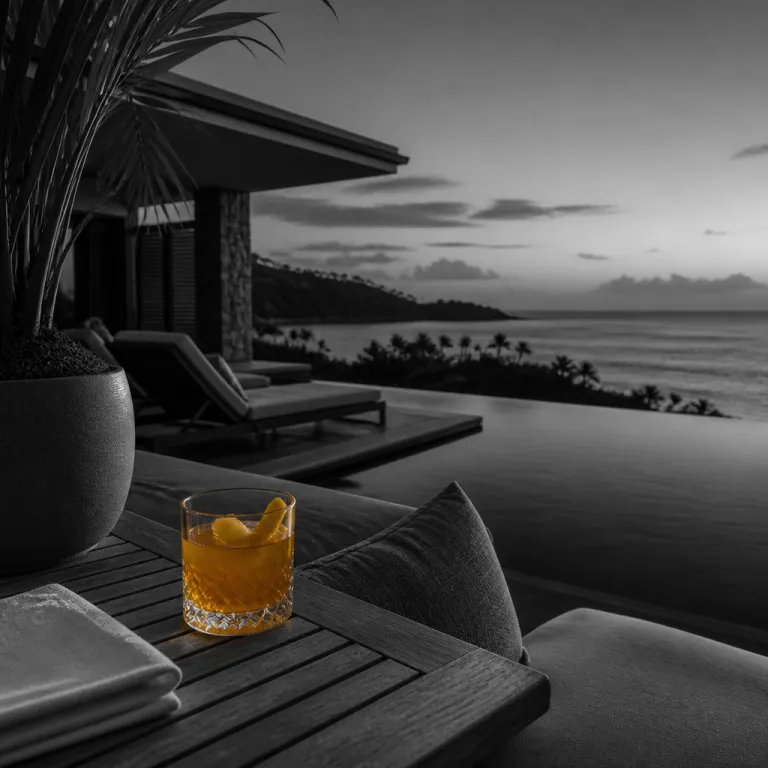
San Cristóbal Nevis as a refined Caribbean island escape
San Cristóbal Nevis evokes an intimate Caribbean island world where luxury feels quietly assured. These twin islands, officially known as Saint Kitts and Nevis and historically as Saint Christopher and Nevis, sit in the northern West Indies with a landscape shaped by volcanic peaks, palm lined beaches, and former sugar estates. For travellers choosing a premium stay, the blend of heritage, privacy, and warm English speaking service defines the experience.
The federation of Saint Kitts and Nevis forms a single sovereign state, yet each island has its own rhythm and character. Saint Kitts, sometimes called Saint Christopher, feels livelier with Basseterre as the capital and Brimstone Hill Fortress overlooking the Caribbean Sea, while Nevis offers a slower pace around Charlestown and the green slopes of Nevis Peak. When you plan a San Cristóbal Nevis stay, you are really choosing between two complementary islands that work beautifully as one journey.
History is never far away during a luxury holiday in this federation, and that heritage subtly shapes today’s high end tourism. In the fifteenth century, Christopher Columbus sailed through the area and the islands were later claimed for European powers, becoming some of the earliest British colonies in the region. Over the following centuries, sugar plantations, maritime trade, and the arrival of enslaved Africans turned Saint Kitts and Nevis into strategic hubs of the wider Caribbean.
Modern travellers still see traces of that sugar era in restored great houses and stone windmills scattered across both islands. Many premium hotels now occupy former estates where sugar once dominated the local economy, turning history into a setting for refined stays. When you book a San Cristóbal Nevis property, you often sleep within walls that witnessed the rise of the sugar trade across the West Indies.
The political story of this small state also adds depth to any stay. The country moved from British colonial rule to associated statehood under leaders such as Robert L. Bradshaw, and later to full independence under the first Prime Minister Dr. Kennedy A. Simmonds. Today a Governor General represents the British monarch, while an elected government and parties such as the Labour Party shape policy on tourism, real estate, and citizenship investment programmes.
For guests, this stable political framework underpins a safe and well regulated luxury tourism environment. The government actively promotes high quality tourism investment while protecting cultural heritage sites like Brimstone Hill Fortress and the historic quarters of Basseterre and Charlestown. When you compare Saint Kitts and Nevis with larger Caribbean islands such as Trinidad and Tobago or Saint Vincent and the Grenadines, the federation’s small scale becomes a clear advantage for privacy focused travellers.
Where to stay on Saint Kitts: coastal elegance and hillside retreats
Choosing where to stay on Saint Kitts is the first major decision for a San Cristóbal Nevis itinerary. The island offers a refined mix of beachfront resorts on the Caribbean side and quieter retreats facing the Atlantic, each suited to different styles of luxury travel. Distances are short, with the whole island covering less than 180 square kilometres, so you can combine several areas in one trip.
The south east peninsula of Saint Kitts is the main playground for high end coastal stays, with sheltered bays, calm waters, and views across to Nevis on the horizon. Here, premium resorts line beaches of soft sand, offering spacious suites, private plunge pools, and attentive English speaking staff who understand international expectations. Guests who value easy access to water sports, yacht charters, and lively beach clubs often base themselves in this part of the island.
On the western coast near Basseterre, you find properties that blend city access with sea views. This area works well if you want to explore the capital’s markets, visit the general harbour area where cruise ships dock, and still return to a quiet pool by late afternoon. From here, day trips to Brimstone Hill Fortress or the old sugar railway give a tangible sense of how the island evolved from plantation economy to modern tourism.
Some of the most atmospheric stays on Saint Kitts sit inland on former sugar estates. These hillside retreats often preserve original stonework, wooden verandas, and tropical gardens that once surrounded the great houses of British planters. When you book such a property through a specialist luxury and premium hotel booking website, you gain both privacy and a direct connection to the island’s sugar heritage.
Across the channel on Nevis, plantation style properties take this concept even further. One notable example is The Hermitage Plantation Inn, often described as sleeping in the Caribbean’s oldest wooden house, where guests experience a carefully preserved original structure surrounded by lush gardens and mountain views. A frequent guest described waking to “the sound of tree frogs and the smell of nutmeg from the kitchen,” a small detail that captures the inn’s quietly immersive charm. If you are planning a San Cristóbal Nevis trip focused on heritage, this kind of stay on Nevis complements a more contemporary resort on Saint Kitts.
Wherever you stay on Saint Kitts, transport logistics remain straightforward thanks to the island’s compact size. Driving from the airport near Basseterre to the south east peninsula resorts usually takes less than 30 minutes, and private transfers are easily arranged through hotel concierges. For travellers comparing Saint Kitts with islands like Anguilla or Antigua and Barbuda, the combination of varied landscapes and short travel times is a strong advantage.
Nevis: understated luxury around Nevis Peak and historic parishes
Nevis offers a different expression of San Cristóbal Nevis luxury, quieter and more intimate than its larger neighbour. The island measures roughly 93 square kilometres, dominated by the green cone of Nevis Peak rising above beaches and former sugar estates. Many premium travellers choose to split their stay between Saint Kitts and Nevis to experience both atmospheres.
Coastal resorts on Nevis line golden beaches with views back to Saint Kitts across the narrow channel. These properties often emphasise space, with low rise suites, private villas, and wide lawns that run down to the Caribbean Sea, creating a sense of seclusion that appeals to couples and families alike. Service is typically in English, but you will also hear French and other languages from international guests who value the island’s calm character.
Inland, the slopes of Nevis Peak host some of the Caribbean’s most characterful plantation house hotels. Many of these properties occupy original great houses from the sugar era, surrounded by stone ruins, tropical orchards, and cool breezes at higher altitude. Staying here places you close to hiking trails, historic churches such as those in the parish of Saint John, and small villages where daily life continues at a gentle pace.
One of the most distinctive eco luxury experiences in the wider federation is Belle Mont Farm on Kittitian Hill, located on Saint Kitts but often combined with Nevis stays. This eco luxury sanctuary resort integrates organic farming, local employment, and low impact architecture into its design, offering villas and guesthouses with sweeping views over the Caribbean and neighbouring islands. Travellers planning a San Cristóbal Nevis itinerary that balances sustainability with comfort often pair time at Belle Mont Farm with a beach resort on Nevis.
Nevis also appeals to travellers interested in citizenship investment and real estate opportunities. Several high end developments on the island qualify for the federation’s citizenship by investment programme, which allows foreign nationals to obtain citizenship of Saint Kitts and Nevis through approved investment routes. For some guests, a first stay in a luxury resort becomes the starting point for exploring longer term property ownership on Nevis.
Compared with larger destinations such as Trinidad and Tobago or Saint Thomas in the United States Virgin Islands, Nevis feels almost private. Roads are quiet, beaches rarely feel crowded, and the skyline remains dominated by Nevis Peak rather than high rise buildings, which suits travellers seeking tranquillity. When you think of San Cristóbal Nevis as a whole, Nevis provides the soft, understated counterpoint to the slightly busier rhythm of Saint Kitts.
Heritage, politics, and culture: context for a luxury stay
Understanding the historical and political context of San Cristóbal Nevis adds richness to any luxury stay. The islands were among the first British colonies in the Caribbean, with the first permanent settlement established on Saint Kitts in the early seventeenth century. Over the following century, sugar cane cultivation transformed both islands into valuable assets within the British controlled West Indies.
Remnants of this sugar era are visible in sites such as Brimstone Hill Fortress on Saint Kitts and the many stone windmills scattered across Nevis. These structures remind visitors that the wealth of the islands once depended on enslaved African labour working vast sugar plantations under harsh conditions. Modern tourism consciously reuses some of these spaces, turning former estates into hotels while preserving original architecture and interpreting history for guests.
The political evolution of the federation Saint Kitts and Nevis also shapes today’s governance and investment climate. After centuries of colonial rule, the islands moved towards self government, with leaders like Robert L. Bradshaw guiding the country to associated statehood and later figures such as Dr. Kennedy A. Simmonds leading the final steps to independence. The office of Prime Minister now heads the elected government, while a Governor General represents the British monarch in ceremonial roles.
For travellers, this stable constitutional framework supports reliable tourism infrastructure and clear regulations for real estate and citizenship investment. The government has positioned tourism and financial services as key pillars of the economy, alongside smaller sectors such as agriculture and renewable energy. When you research San Cristóbal Nevis as a potential place for property purchase, you will find that legal systems draw on both British common law traditions and local legislation.
Culturally, the islands blend English and Caribbean influences with traces of French and other European presences from earlier centuries. You will hear English as the official language, but local speech includes Creole expressions and rhythms shaped by African heritage, while some families maintain memories of English French interactions from the colonial period. Festivals, music, and cuisine all reflect this mix, with events in parishes such as Saint Paul and Saint John bringing communities together.
Visitors interested in regional context often combine Saint Kitts and Nevis with nearby islands such as Anguilla, Antigua and Barbuda, or Saint Vincent and the Grenadines. Each island group offers its own balance of history, landscape, and tourism development, but Saint Kitts and Nevis stand out for their compact size and strong sense of identity. As one local historical summary notes, “1493: Columbus discovers islands. 1623: First British settlement. 1983: Independence achieved.”
Planning your san cristóbal nevis stay: beaches, seasons, and experiences
Planning a San Cristóbal Nevis holiday begins with choosing the right season and length of stay. Many luxury travellers opt for a week to ten days, splitting time between Saint Kitts and Nevis to enjoy both island characters. The tropical climate stays warm year round, with sea breezes moderating temperatures and brief showers keeping the landscape green.
Beach lovers will find a wide range of options across both islands, from the lively sands of South Friars Bay on Saint Kitts to the quieter stretches of Pinney’s Beach on Nevis. If you want a detailed guide to the most refined shorelines, consult a specialist resource on the best beaches in the Caribbean for a luxury Saint Kitts and Nevis escape, which highlights coves suited to swimming, snorkelling, or simply relaxing with a book. Many high end resorts sit directly on these beaches, allowing you to move effortlessly between suite, pool, and sea.
Beyond the coast, active travellers can hike Nevis Peak with a local guide, explore rainforest trails on Saint Kitts, or ride the scenic railway that once carried sugar cane around the island. History enthusiasts should not miss Brimstone Hill Fortress, a UNESCO listed site that offers panoramic views across the Caribbean Sea to neighbouring islands such as Anguilla and Antigua and Barbuda. These excursions fit easily into a luxury itinerary, with private guides and tailored transport arranged through hotel concierges.
Food is another highlight of any San Cristóbal Nevis stay, reflecting both local traditions and international influences. Menus often feature fresh fish, lobster, and Caribbean staples such as plantain and rice, alongside refined interpretations of British and French inspired dishes. Many high end properties now emphasise farm to table concepts, sourcing produce from on site gardens or nearby farms to reduce food miles and support local communities.
Language rarely poses a barrier, as English is the official language across the federation, though you may hear French or Spanish from visitors and expatriates. Staff in luxury properties are accustomed to international guests and can usually assist with special dietary needs, accessibility requests, or multi generational family arrangements. This level of personalised service is one of the reasons Saint Kitts and Nevis competes successfully with larger Caribbean destinations such as Trinidad and Tobago or Saint Thomas.
When planning, consider how you want to balance relaxation with exploration across both islands. Some guests spend most of their time on one island and visit the other on day trips, while others change hotels mid stay to experience different settings and styles. Either way, the short ferry crossing between Saint Kitts and Nevis makes it easy to treat the federation as a single, varied destination.
Investment, real estate, and long term stays in Saint Kitts and Nevis
For some visitors, a first San Cristóbal Nevis holiday opens the door to longer term engagement with the islands. The federation has become known for its citizenship by investment programme, which allows eligible applicants to obtain citizenship of Saint Kitts and Nevis through approved contributions or real estate purchases. This framework attracts individuals who value the country’s stable political system, attractive climate, and growing tourism sector.
Real estate linked to citizenship investment typically includes shares in high end resorts, villas, or condominium developments on both Saint Kitts and Nevis. Buyers can enjoy personal use of their property for part of the year while the unit participates in a managed rental pool that serves luxury tourists, creating a blend of lifestyle and financial return. When evaluating such opportunities, it is essential to review legal structures, management agreements, and projected occupancy rates with qualified advisers.
Beyond citizenship investment, the general property market in Saint Kitts and Nevis offers options for second homes, retirement residences, or long stay rentals. Neighbourhoods near popular beaches, golf courses, and historic estates tend to attract the most interest, particularly on the south east peninsula of Saint Kitts and the western coast of Nevis. Compared with more saturated markets in Anguilla, Antigua and Barbuda, or Saint Vincent and the Grenadines, prices here can still feel competitive for the level of privacy and natural beauty on offer.
Government policy plays a central role in shaping these investment landscapes. The elected administration, often led by parties such as the Labour Party or their rivals, sets regulations on foreign ownership, environmental standards, and tourism development, while the Governor General provides constitutional continuity. Investors should monitor official announcements and consult local legal counsel to ensure compliance with current rules and to understand any incentives for sustainable projects.
Long term visitors who do not seek citizenship still benefit from the same high quality infrastructure that supports tourism and finance. Reliable telecommunications, improving renewable energy initiatives, and modern healthcare facilities in Basseterre and Charlestown make extended stays more comfortable, especially for remote workers or retirees. Many luxury resorts and villa communities now offer monthly or seasonal rates tailored to guests who wish to spend several months each year in Saint Kitts and Nevis.
Regional connectivity also matters for investors and long stay guests who travel frequently. From Saint Kitts, flights and ferries link the federation to nearby hubs such as Antigua and Barbuda, Trinidad and Tobago, and Saint Thomas, while yacht owners can easily cruise to Anguilla or Saint Vincent and the Grenadines. This network of connections reinforces the appeal of Saint Kitts and Nevis as a base within the wider West Indies.
Language, access, and practical tips for premium travellers
Practical details can make the difference between a good San Cristóbal Nevis holiday and an exceptional one. The official language of the federation is English, which simplifies communication for many international visitors, though you may also hear French and Spanish in hotels and restaurants. Local people often speak a Creole influenced English in informal settings, adding musicality and warmth to everyday interactions.
Access to the islands is usually via Robert L. Bradshaw International Airport on Saint Kitts, with regional connections from hubs such as Antigua and Barbuda, Trinidad and Tobago, and Saint Thomas. From there, a short taxi ride brings you to coastal resorts or the ferry terminal for onward travel to Nevis, where water taxis and scheduled ferries cross the channel in under an hour. Many luxury properties arrange private transfers, smoothing the journey from aircraft door to hotel suite.
Within the federation, distances remain short and road networks are generally in good condition. Driving is on the left, following British practice, and rental cars are available for guests who prefer independent exploration, though many premium travellers rely on hotel drivers or private guides. When planning excursions, remember that both islands are compact, so you can comfortably combine beach time, heritage visits, and dining experiences in a single day.
Currency, tipping, and service standards align with broader Caribbean norms. The Eastern Caribbean dollar is the official currency, though US dollars are widely accepted in hotels and restaurants, and service charges are often included in bills at luxury properties, with additional tipping at your discretion. Staff in high end resorts are accustomed to international expectations and can assist with everything from restaurant reservations to arranging private yacht charters around nearby islands such as Anguilla or Saint Vincent and the Grenadines.
Health and safety conditions in Saint Kitts and Nevis are generally favourable for travellers. Basic healthcare facilities exist on both islands, with more comprehensive services in Basseterre, and most luxury properties maintain strong hygiene standards and emergency protocols, including links to local medical providers. As with any Caribbean destination, sun protection, hydration, and sensible precautions around water activities remain important.
Finally, consider how you want to engage with local culture during your stay. Attending a village event in parishes like Saint Paul or Saint John, visiting a small rum shop, or joining a guided heritage walk can deepen your understanding of how tourism, government policy, and everyday life intersect in this small state. Approached with curiosity and respect, a San Cristóbal Nevis trip becomes not only a luxury escape but also a window into the history and resilience of a distinctive Caribbean federation.
Key figures for luxury travel in Saint Kitts and Nevis
- The population of Saint Kitts and Nevis is around 48 000 people, according to recent World Bank estimates, which helps maintain a relaxed, uncrowded atmosphere in major tourism areas and underscores the federation’s small scale.
- The total land area of the federation is approximately 261 square kilometres, making it easy for visitors to explore both islands within a single trip without long internal journeys.
- Between 2009 and 2013, GDP growth in Saint Kitts and Nevis averaged about 0.9 percent per year, with tourism and agriculture identified as key contributors to the national economy, according to regional economic reviews.
- Tourism and agriculture are consistently cited as the main economic activities in the federation, underlining the importance of sustainable tourism practices for long term prosperity.
- Basseterre, located on Saint Kitts at roughly 17.3° north and 62.7° west, serves as the capital and primary gateway for international visitors arriving by air or sea.
FAQ about luxury stays in Saint Kitts and Nevis
What is the capital of Saint Kitts and Nevis and why does it matter for travellers ?
The capital of Saint Kitts and Nevis is Basseterre, located on the southern coast of Saint Kitts. For travellers, Basseterre is important because it hosts the main international airport, the cruise port, and many government offices, making it the primary entry point and logistical hub for a San Cristóbal Nevis trip. Many luxury guests transit through Basseterre before continuing to beach resorts or to Nevis by ferry or water taxi.
What are the main economic activities in Saint Kitts and Nevis and how do they affect tourism ?
The main economic activities in Saint Kitts and Nevis are tourism and agriculture, with services and financial activities also playing significant roles. Tourism drives investment in high quality hotels, restaurants, and infrastructure, which directly benefits luxury travellers seeking comfort and reliability. Agriculture, including small scale farming on former sugar lands, supports local food supply and farm to table dining experiences in upscale properties.
How did Saint Kitts and Nevis move from colonial rule to independence ?
Saint Kitts and Nevis evolved from British colonial rule through stages of greater self government, including associated statehood under leaders such as Robert L. Bradshaw. Later, political figures like Dr. Kennedy A. Simmonds, who became the first Prime Minister, guided the federation towards full independence within the Commonwealth. This history underpins today’s stable parliamentary democracy, with a Governor General representing the British monarch and an elected government managing tourism and investment policy.
Why are sugar plantations and heritage sites important for luxury travellers ?
Sugar plantations and related heritage sites are central to understanding the historical wealth and social structures of Saint Kitts and Nevis. Many former estates have been converted into characterful hotels or attractions, allowing guests to stay in original great houses, visit restored windmills, and learn about the complex legacy of the sugar era. This combination of comfort and context appeals to travellers who value cultural depth alongside beach relaxation.
Is Saint Kitts and Nevis suitable for both short breaks and longer stays ?
Saint Kitts and Nevis work well for both short breaks and extended stays because of their compact size, good connectivity, and varied accommodation options. A long weekend can cover key highlights on one island, while a week or more allows time to explore both Saint Kitts and Nevis, enjoy multiple beaches, and experience plantation style properties and eco luxury resorts. For longer stays, real estate and citizenship investment options provide additional pathways to deeper engagement with the federation.