Scuba diving St. Kitts: how the reefs and wrecks really feel underwater
Scuba diving Saint Kitts reefs wrecks offers a quieter Caribbean than many expect. The island sits where the Atlantic meets the Caribbean, so divers will find reef gardens, gentle slopes and wreck silhouettes within a short boat ride of the main harbour. For a solo traveller choosing a luxury hotel, that proximity means you can leave your suite after breakfast and still be back on the sand before lunch.
The character of the diving here is defined by easy entry points and forgiving depth profiles. Many Saint Kitts dive sites start on a shallow reef at around 10 to 15 metres, then step down gradually, which suits mixed groups of new and experienced divers travelling together. That layered depth structure lets you plan a relaxed second scuba dive in the afternoon, while your non diving partner enjoys the estate kitchen or spa back at your hotel.
Reef systems wrap the island in a loose necklace, with coral heads, sponges and reef fish clustered along volcanic ridges. You move from one bay reef to another in minutes, yet each dive site feels distinct in its marine life and mood. Some sites are known for eagle rays gliding over the sand, while others are better for macro marine life that hides in the coral and rewards a slower pace.
For travellers comparing islands, Saint Kitts sits in a sweet spot between accessibility and atmosphere. The island has enough dive centers to offer choice, but not so many that the dive sites feel crowded or industrial. That balance is why scuba diving Saint Kitts reefs wrecks often appeals to divers who have already sampled larger Caribbean islands and now want something more personal.
Luxury hotels on the island understand this underwater pull and quietly shape their service around it. Concierges know which dive center runs smaller groups and which captain favours a particular wreck or reef shark cleaning station. When you book a premium room, you are also buying into that local knowledge, which matters as much as thread count for a serious diving Kitts itinerary.
Reef gardens, calm entries and how to match them with your hotel base
The first surprise about scuba diving Saint Kitts reefs wrecks is how gentle many entry points are. Several popular dive sites sit in sheltered bays where the Caribbean side of the island keeps the sea state calm, even when the Atlantic is restless. That makes Saint Kitts a strong choice for a first warm water scuba trip, especially if you are staying at a luxury property and want low stress logistics.
On these bay reef systems, the boat often moors in 8 to 10 metres of water above sand and scattered coral. You roll in, adjust your buoyancy and will find reef fish almost immediately, with parrotfish, chromis and the occasional reef shark cruising the edge of vision. Because the depth stays modest for a long stretch, divers can build confidence without feeling rushed by no decompression limits.
For solo explorers, this style of diving pairs well with hotels that sit close to the main marina. You can step from a polished lobby to the dive boat in minutes, then return to a quiet pool or a terrace lunch while your gear dries in the afternoon breeze. When you are comparing properties on a site like stay-in-saint-kitts-and-nevis.com, look for those that mention early breakfast for divers and flexible housekeeping around morning dive schedules.
Not every reef site is shallow, and that variety is part of the appeal. Some dive sites along the deeper slopes drop beyond 30 metres, where advanced divers can explore more dramatic coral structures and watch for passing reef sharks or eagle rays. If you plan to mix these deeper dives with surface level pleasures, this is where the island’s better hotels earn their keep with strong air conditioning, good hydration options and staff who understand post dive pacing.
When you want to balance underwater time with other experiences, think in terms of days rather than isolated activities. One day might start with two morning dives on a sheltered bay reef, then shift to an afternoon of coastal walking or a curated island experience like the beyond the resort pool experiences that justify the flight to St. Kitts. Another might be reserved for a long surface interval, letting your body rest while you explore plantation history or the island’s small restaurants.
Throughout, the key is to choose a hotel that treats diving as a central part of your stay rather than a bolt on. Ask whether the concierge can pre arrange transfers to your preferred dive center and whether late check out is possible after a final morning dive. Those details shape how relaxed your scuba diving Saint Kitts reefs wrecks itinerary will feel once you are actually on the island.
Wrecks, walls and why Saint Kitts suits both new and returning divers
Wrecks play a quiet but important role in the local dive rhythm. Around Saint Kitts, several artificial and historical wreck sites sit within recreational depth limits, which means most certified divers can enjoy them without technical training. These structures attract marine life quickly, so you often see a denser mix of reef fish, schooling jacks and the occasional nurse shark around the hulls.
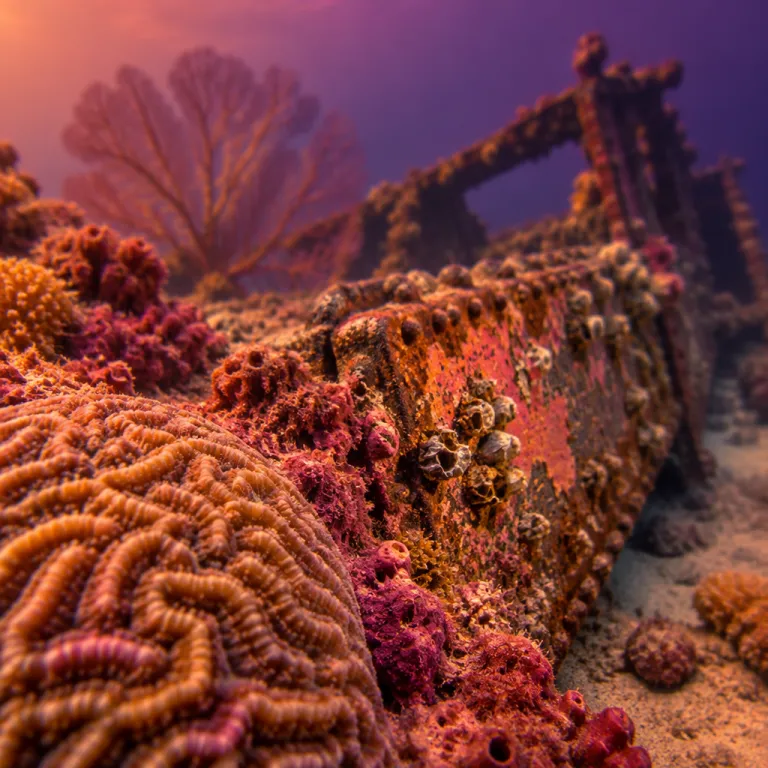
For a solo traveller, wreck diving Kitts style is less about adrenaline and more about atmosphere. You descend through clear Caribbean water, the outline of the wreck sharpening as you approach the sand, then spend the dive weaving between beams and coral encrusted railings. Because many wrecks rest near natural reef, you can split your attention between metal and coral, which keeps the dive engaging even if you are not a wreck specialist.
Walls and drop offs add another layer to scuba diving Saint Kitts reefs wrecks. Some dive sites follow volcanic contours where the reef slopes away into blue, giving advanced divers a sense of depth and scale without forcing extreme profiles. On these dives, you watch the reef shark patrols below and the play of light above, while staying within the comfort zone of a standard recreational certification.
Nevis enters the picture when you start planning a two island underwater trip. The short crossing between Saint Kitts and Nevis lets you base yourself in one luxury hotel and still sample dive sites off both islands, which is ideal if you prefer to unpack once. When you add a day on Nevis, you can also fold in a surface level itinerary like the volcanic spring circuit in Nevis, giving your body a break between deeper dives.
Certification level shapes how you experience this mix of reef, wreck and wall. First time divers often start with a supervised introductory scuba session on a shallow site, then decide whether to commit to a full course during their stay. Certified divers, by contrast, can work with a dive center to build a custom itinerary that balances wrecks, bay reef gardens and slightly deeper slopes, all while keeping an eye on rest days and hotel based recovery.
For those considering a longer stay, some travellers combine Saint Kitts and Nevis with a leg to Saba, creating a Saba Kitts loop that samples three islands in one trip. While liveaboard vessels such as Caribbean Explorer II operate in the wider region, most luxury hotel guests in Kitts Nevis prefer day boat diving and the comfort of returning to their own room each night. That choice keeps the focus on curated daily experiences rather than the intensity of a full time liveaboard schedule.
Visibility, seasons and when the Caribbean feels clearest from your hotel base
Water clarity is one of the quiet luxuries of scuba diving Saint Kitts reefs wrecks. For much of the year, divers will find visibility that often ranges between 18 and 30 metres, especially on the Caribbean side of the island where the water is more sheltered. That clarity lets you appreciate the full sweep of a reef or wreck from the moment you leave the surface.
Seasonal shifts still matter, particularly if you are planning a high end trip and want the best possible conditions. Late winter and spring often bring some of the most stable visibility, with calmer seas and less suspended sand in the water column, which suits photographers and those who like to linger on a single dive site. Autumn can see more variable sea states, yet it also tends to mean fewer boats on the dive sites and more space on the island’s premium hotel terraces.
Rain patterns influence runoff, which in turn affects near shore clarity. After heavy rain, some shallow bay reef areas may show a slight drop in visibility, while offshore sites remain clearer, so it pays to talk with your dive center about daily conditions. A good operator will adjust the plan, steering you toward the clearest water and the most protected reef sections on any given day.
For solo travellers, this is where hotel choice intersects with sea conditions. A property with flexible breakfast hours and quick access to the marina lets you shift your dive timing to catch the calmest window, often the early morning. In the afternoons, when wind can pick up, you might choose to stay on land, perhaps booking a coastal excursion such as a deep sea fishing charter off St. Kitts that explores the same drop offs you have seen underwater.
Autumn deserves a specific note for those balancing work and travel. Hotel rates can be more favourable, and the island feels quieter, which suits remote workers who want to dive a few mornings a week while keeping afternoons for calls. Sea conditions may be a touch more changeable, but a strong dive center will still find sheltered dive sites where the reef fish and coral remain vibrant.
Throughout the year, water temperature usually stays in a comfortable range for standard 3 mm wetsuits, which simplifies packing for a multi island trip that might include Nevis or even Saba. If you are sensitive to cold, consider a slightly thicker suit for longer bottom times, especially on deeper wrecks where the temperature can feel cooler. Your hotel concierge or the dive center can advise on current conditions, helping you fine tune gear choices before you leave home.
From first bubbles to advanced depth: choosing the right dive center and training path
For many guests booking a luxury stay, scuba diving Saint Kitts reefs wrecks is either a long held dream or a skill they want to refine. The island’s mix of shallow reef and moderate depth wrecks makes it a natural classroom for both first timers and certified divers seeking further training. The key decision is which dive center to trust with your time and safety.
Look for a PADI or equivalent accredited dive center that emphasises small groups and clear safety briefings. When you speak with the équipe before booking, ask about maximum group size, average dive depth and how they match divers of similar experience on each dive site. A reputable operator will be transparent about conditions, conservative with profiles and happy to coordinate with your hotel on pick up times.
First time divers usually start with a confined water session, either in a pool or a very shallow bay reef, before progressing to an open water dive. This staged approach lets you get comfortable with the equipment and basic skills while staying close to the surface and the boat. If you enjoy that first taste of marine life, you can then decide whether to complete a full certification course during your stay or simply add a few more supervised dives.
Certified divers have a different set of questions to ask. You might want to know how often the dive center visits particular wrecks, whether they offer guided night dives on certain reef sites, or how they handle nitrox for those planning multiple days of diving Kitts style. Clarify whether rental gear is included, what brands they use and how often equipment is serviced, as this speaks directly to safety and comfort.
Solo travellers should also consider the social side of their diving. Some dive centers naturally attract a more independent, small group clientele, which can be ideal if you prefer quiet surface intervals and focused briefings rather than party boat energy. Your hotel can often steer you toward the operator that best matches your style, especially if you are staying at a property that regularly hosts divers and understands their rhythms.
As you progress, specialty courses such as deep diving, wreck diving or underwater photography can add structure to a longer stay. Saint Kitts and Nevis offer enough variety in reef and wreck profiles to support this kind of training without feeling repetitive. By the time you leave the islands, you may have not only a logbook full of Caribbean dives but also a higher certification level that shapes future trips.
Pairing Saint Kitts, Nevis and Saba: crafting a two or three island underwater itinerary
One of the quiet luxuries of scuba diving Saint Kitts reefs wrecks is how easily you can extend the experience across neighbouring islands. Saint Kitts and Nevis form a natural pair, with a short channel between them that ferries cross in under an hour, making day trips or split stays straightforward. For divers, that means you can base yourself in a favourite hotel on one island while sampling dive sites off both.
Nevis tends to feel more intimate on land, with smaller properties and a slower surface pace. Underwater, its reef and sand combinations mirror much of what you see off Saint Kitts, yet the specific coral formations and marine life patterns differ enough to keep things interesting. A well planned Kitts Nevis itinerary might alternate days, diving off one island while spending evenings on the other, using the crossing as a natural surface interval.
Some travellers extend the arc further to include Saba, creating a Saba Kitts route that links three distinct islands in a single Caribbean journey. Saba is known for steeper underwater topography and more advanced dive sites, which can appeal to experienced divers who have already logged many dives around Saint Kitts and Nevis. While liveaboard options such as Caribbean Explorer II operate in the wider region, many luxury focused travellers prefer to treat Saba as a separate leg rather than a continuous liveaboard commitment.
When planning this kind of multi island trip, logistics and rest days matter as much as hotel aesthetics. Build in at least one non diving day before any flight, especially if you have been exploring deeper wrecks or walls, and use that time to enjoy estate walks, spa treatments or the volcanic spring circuit on Nevis. Your choice of hotels should reflect this rhythm, favouring properties that are comfortable places to linger on land as well as efficient bases for early morning transfers.
Marine life expectations also shift slightly as you move between islands. Around Saint Kitts and Nevis, you are likely to see reef sharks, nurse sharks, eagle rays and a dense mix of reef fish on many dives, while Saba’s steeper sites can bring different pelagic encounters. By spreading your dives across these islands, you give yourself a broader view of Caribbean marine ecosystems without ever straying far from a well made bed.
Throughout, keep communication clear between your hotels and chosen dive centers. Share your full itinerary, including planned depths and dive counts, so staff can help you manage rest, hydration and transfers sensibly. Done well, a Saint Kitts, Nevis and possibly Saba circuit becomes less a frantic island hop and more a considered progression through some of the region’s most characterful underwater landscapes.
What luxury travellers should know about marine life, safety and quiet adventure
For many guests, the real draw of scuba diving Saint Kitts reefs wrecks is the marine life that animates these structures. On a typical reef dive site, you might see schools of blue tang, angelfish, grunts and snappers weaving through coral heads, while cleaner stations host shrimp and small wrasse tending to passing reef sharks. Over sand patches, southern stingrays rest half buried, and eagle rays sometimes glide past in loose formation.
Shark encounters here tend to be calm and observational rather than theatrical. Reef sharks and nurse sharks are part of the normal Caribbean seascape, moving with unhurried confidence along the reef edge or around wrecks, and most divers quickly relax in their presence. Good guides brief you on expected behaviour, positioning and respect for marine life, turning what might have been anxiety into one of the most memorable parts of your trip.
Safety, in this context, is as much about planning as it is about equipment. Choose a dive center that insists on thorough briefings, carries oxygen and first aid on board and keeps clear records of dive depth and time for every diver. When you combine that operational discipline with your own conservative approach to profiles and hydration, you create the conditions for a long, enjoyable series of dives across multiple sites.
Luxury hotels contribute to this safety net in subtle ways. Staff who understand diving can help you schedule spa treatments away from heavy dive days, ensure you have early access to breakfast and keep an eye on transfer times so you are not rushing to or from the marina. For solo travellers, that quiet attention can make the difference between a trip that feels slightly improvised and one that flows with the ease of a well planned liveaboard, but with far better sheets.
As you move through this underwater world, a sense of stewardship naturally develops. Many divers choose to support local marine conservation initiatives or participate in reef clean ups organised by dive centers, recognising that the health of the coral and fish populations underpins the entire experience. Publications such as Diver Magazine often highlight how destinations like Saint Kitts and Nevis balance tourism with reef protection, and those stories can guide your own choices on the islands.
In the end, the appeal of scuba diving Saint Kitts reefs wrecks for a luxury minded traveller lies in the combination of intimacy and depth. You are not chasing the most extreme depth or the busiest liveaboard schedule, but rather curating a sequence of dives that fit around long breakfasts, quiet evenings and the particular pleasures of your chosen hotel. That balance is what keeps many divers returning to these islands, long after the first thrill of breathing underwater has become a familiar, welcome ritual.
Key figures for diving around Saint Kitts and Nevis
- Typical recreational dive depths around Saint Kitts and Nevis range from about 10 to 30 metres, which suits both new and intermediate divers planning multi day trips.
- Water temperatures in the region generally stay between 26 and 29 °C, allowing most divers to use a 3 mm wetsuit comfortably throughout the year.
- Average underwater visibility on the Caribbean side of the islands often falls between 18 and 30 metres, providing clear views of reefs and wrecks on most days.
- The channel between Saint Kitts and Nevis is roughly 3 kilometres at its narrowest point, making inter island transfers short enough to combine diving on both islands in a single stay.
- Standard no fly recommendations suggest waiting at least 18 to 24 hours after your final dive before boarding a flight, which travellers should factor into their hotel and transfer planning.
FAQ about luxury diving trips to Saint Kitts and Nevis
Is Saint Kitts a good place for first time scuba divers staying at luxury hotels ?
Saint Kitts is well suited to first time scuba divers because many reef sites start shallow, with calm Caribbean conditions and easy boat entries. Luxury hotels near the main marina can coordinate with reputable dive centers, making logistics simple for guests who are new to the sport. This combination of gentle dive sites and high service levels creates a reassuring environment for learning.
How many days of diving should I plan around Saint Kitts and Nevis ?
A stay of five to seven days allows most travellers to enjoy several days of diving while still leaving time for rest and land based exploration. Many guests choose three or four dive days, with one or two dives per day, and keep at least one full non diving day before flying. This rhythm balances underwater time with the comforts of a premium hotel stay.
Can I base myself on one island and still dive both Saint Kitts and Nevis ?
Yes, the short distance between Saint Kitts and Nevis makes it practical to stay on one island and dive off both. Some dive centers offer trips that include sites around each island, while ferries and private boats provide flexible transfers. When booking, ask your hotel concierge and chosen operator how they handle inter island logistics for divers.
Do I need my own equipment to dive around Saint Kitts and Nevis ?
Most dive centers around Saint Kitts and Nevis provide full rental equipment, including regulators, BCDs, wetsuits and computers. Travellers who dive regularly often bring personal masks, fins and computers for comfort and familiarity, while relying on rental gear for heavier items. Confirm availability, brands and servicing schedules with the operator before you travel.
How does diving in Saint Kitts compare with a liveaboard trip in the wider Caribbean ?
Diving from a hotel base in Saint Kitts offers more flexibility and comfort than a typical liveaboard, with fewer daily dives but higher quality surface time. You can tailor your schedule, mix in cultural or culinary experiences and enjoy larger rooms and amenities. Liveaboards in the wider Caribbean, by contrast, focus on maximum dive volume and remote sites, which suits a different style of traveller.