Why Nevis coral restoration belongs on a luxury itinerary
Nevis is small, green and volcanic, with a coral reef shelf that once wrapped the island in colour. Today those reefs are thinner, and a new generation of marine conservation projects is quietly rebuilding them with rigour rather than marketing spin. For the luxury traveller, choosing a nevis coral restoration reef programme volunteer experience is less about ticking an eco box and more about stepping into real conservation work that will change how you see the island.
On the north western shore at Oualie Beach, C.A.R.E. SKN and the Department of Marine Resources run a coral restoration program that treats every coral fragment as data in a long term conservation project. Here, the coral reef is not an abstract ecosystem but a living laboratory where marine biology meets hospitality, and where your morning in the water will help fund and accelerate reef restoration. This is marine conservation designed so a conservation volunteer can work alongside trained staff without needing a marine biology degree or a lifetime of scuba diving logged.
The context is stark yet motivating for any visitor who cares about marine life. Caribbean coral reefs have lost a significant share of their coral cover over the last half century, and each local restoration coral initiative is a response to repeated coral bleaching after one bleaching event too many. On Nevis, the focus is on targeted reef restoration rather than large scale engineering, proving that small islands can run conservation volunteering projects that deliver measurable results year after year.
Inside the coral nursery: how the programme actually works
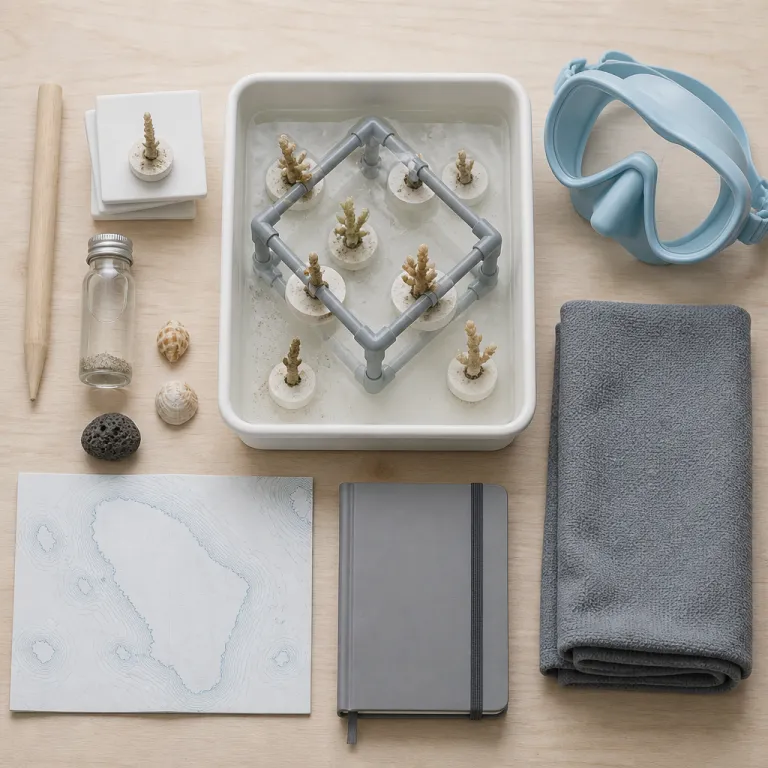
Just off Oualie Beach, suspended in clear open water, the coral nursery looks almost sculptural. PVC trees sway gently, each arm hung with young corals that have been fragmented from healthy donor colonies on nearby coral reefs. This is where nevis coral restoration reef programme volunteer participants spend most of their time, learning how a carefully managed nursery can become the best tool for reef restoration in a fragile bay.
The half day session begins on land based terraces at the Nevis Aquatic and Sailing Center, where instructors walk you through the biology of a coral reef and the specific threats facing these reefs. You hear how coral bleaching follows a heat stress bleaching event, how marine conservation teams log every coral fragment as data, and why even simple conservation work like cleaning algae from nursery structures will help corals survive. Only then do you wade into the shallows, mask on, to put that marine biology briefing into practice.
Because the nursery sits in shallow water, you do not need scuba diving certification to participate in this conservation project. Confident swimmers can snorkel over the coral nursery trees, while those with open water training can dive slightly deeper to assist with more technical conservation volunteering tasks. The emphasis is always on safe, supervised work that respects both marine life and the limits of a short holiday, making this one of the most accessible conservation projects for guests who usually prefer poolside loungers to reef check slates.
For travellers who want to balance time in the water with time on deck, pairing the nursery session with a private charter across The Narrows creates a compelling day. You can arrange a sailing transfer between St Kitts and Nevis that doubles as a marine biology field trip by working with operators featured in our guide to chartering between St Kitts and Nevis. That way, your reef restoration morning flows naturally into an afternoon of quiet sailing, with the coral reef you just helped nurture glinting beneath the hull.
What luxury travellers actually do as volunteers
The nevis coral restoration reef programme volunteer pathway is built for people who care about detail and impact. After a short safety briefing, you join a small conservation volunteer group, usually no more than six guests, and head to the coral nursery with a guide who understands both marine biology and hospitality. The pace is unhurried, but every minute of conservation work has been designed to feed into the wider restoration project.
First comes observation, which is where reef check style survey methods enter the picture in a gentle, guest friendly way. You learn how to read a coral reef, noting coral bleaching, algae cover and fish behaviour, and how these data points feed into marine conservation decisions. Then you move to hands on tasks, brushing sediment from nursery structures, untangling lines and inspecting corals for signs of disease, all of which will help the team decide which coral fragments are ready for transplantation to nearby reefs.
Planting days are the most memorable, and they are scheduled when conditions are right for both corals and visitors. Under close supervision, you either snorkel or dive to a designated restoration coral site, where small teams fix coral fragments onto prepared reef restoration patches using marine safe epoxy. It feels almost ceremonial, yet this is practical conservation work, part of a series of linked projects that aim to rebuild a functioning coral reef rather than create a photo opportunity.
Between sessions, you return to your hotel with salt in your hair and a new way of reading the sea. Many guests pair this with other curated experiences that go, as we like to say, beyond the resort pool, from volcanic hikes to estate kitchen dinners. For solo travellers in particular, the shared experience of a conservation project becomes a natural way to meet like minded guests while still keeping the trip firmly in the luxury lane.
If you want to weave this into a broader adventure focused itinerary, our dedicated guide to elevating your stay with adventure tours outlines how to combine reef restoration mornings with rainforest afternoons. The result is a stay where every day balances comfort with purpose, and where marine life and mountain trails feel part of the same thoughtful narrative. That is the sweet spot for travellers who want their conservation volunteering to sit comfortably alongside spa appointments and long lunches.
Palm Garden Nevis and the rise of genuine eco luxury
On an island where marketing language can be as warm as the trade winds, Palm Garden Nevis stands out for its quiet precision. This small property runs entirely on solar power, a land based commitment that mirrors the energy efficient ethos of the nevis coral restoration reef programme volunteer network offshore. Guests who stay here find that reef restoration is not an add on but a natural extension of the hotel’s daily conservation work.
Mornings might begin with coffee on a shaded veranda, followed by a short transfer to Oualie Beach for a scheduled coral restoration session with C.A.R.E. SKN. The hotel team understands the rhythm of the program, from nursery maintenance days to coral reef planting projects, and they will help you book the right experience for your swimming confidence and appetite for marine biology detail. Back on property, the conversation continues, with staff happy to discuss how land based choices, from water use to waste management, affect nearby coral reefs.
What makes Palm Garden Nevis compelling for discerning travellers is the way it links different conservation projects into a coherent story. Support for marine conservation sits alongside turtle friendly lighting policies and low impact landscaping, acknowledging that hawksbill turtles depend on healthy coral reefs for food and on dark beaches for nesting. In this ecosystem view, a single conservation project is never isolated ; instead, each piece of conservation work, from reef check surveys to garden planting, feeds into a wider, island scale restoration coral vision.
For guests used to large scale resort operations, this more intimate model of eco luxury can feel refreshingly direct. You speak to the owner about marine life over breakfast, then meet the marine biology team at the dock, and by the end of the year you might even receive a short update on how the corals you helped plant are faring. It is hospitality that treats you as a partner in conservation volunteering rather than a spectator, and that is precisely what this new generation of travellers is seeking.
Planning your stay around the reef programme
Building a trip around the nevis coral restoration reef programme volunteer experience requires only modest planning. The program operates year round, with sessions scheduled to suit both weather patterns and guest arrivals, so you can usually secure at least one coral nursery visit during a standard island stay. For peak periods, booking your preferred day in advance through your hotel concierge or directly with C.A.R.E. SKN is the best strategy.
Most luxury properties on Nevis, from plantation style inns to contemporary villas, are familiar with the coral restoration program and can arrange transfers to Oualie Beach. When you reserve, mention that you want to prioritise marine conservation activities, including reef restoration and any complementary conservation project on land, such as turtle monitoring walks. Hotels that understand this profile of guest will help you balance time in the water with time at the spa, ensuring the conservation work enhances rather than dominates your holiday.
From a practical perspective, pack reef safe sunscreen, a long sleeved rash guard and any personal snorkelling gear you prefer, even though all essential tools are provided on site. If you already hold an open water scuba diving certification, let the organisers know, as this may allow you to assist with slightly deeper coral reef tasks when conditions permit. Whether you arrive as a first time conservation volunteer or an experienced diver with a background in marine biology, the team will match your role to your skills so that every hour you spend on the reef will help move the restoration projects forward.
For travellers who like to understand impact, ask the staff to share recent monitoring data and project milestones rather than vague anecdotes. They can explain how many coral reefs patches have been restored, how marine life abundance has shifted around the nursery, and how each bleaching event informs future strategies. That level of transparency is what separates genuine marine conservation from marketing, and it is exactly what you should expect from any conservation volunteering experience that claims to be the best use of your time and resources.
How the Nevis reef effort fits into global marine conservation
What happens off Oualie Beach is local, but it speaks to a global story. Around the world, coral reefs have been shrinking under the combined pressure of warming seas, pollution and overfishing, and each small island conservation project becomes a test case for what might work at scale. Nevis is not attempting a single large scale engineering fix ; instead, it is building a network of targeted restoration coral sites that can be expanded as data and funding grow.
The partnership web behind the nevis coral restoration reef programme volunteer pathway is unusually strong for such a small island. C.A.R.E. SKN works with the Department of Marine Resources, Ross University and local dive centres to ensure that every coral restoration effort is grounded in marine biology rather than guesswork. Methods range from coral nurseries and artificial reef structures to educational workshops that turn hotel guests into informed allies for marine conservation long after they fly home.
For travellers used to reading sustainability reports, the rigour here will feel familiar. Monitoring devices track coral growth and survival, reef check style surveys log marine life responses, and every conservation project is evaluated against clear objectives rather than vague aspirations. As one programme summary puts it with admirable clarity, "How can travelers participate in coral restoration?" "Join programs like C.A.R.E. SKN's hands-on activities." "What is the impact of coral restoration on tourism?" "Restored reefs attract more tourists, boosting local economies." "Are coral restoration programs available year-round?" "Yes, many programs operate throughout the year."
For the luxury guest, the implication is simple and powerful. By choosing to work for a morning on a coral reef rather than simply sailing past it, you become part of a chain of projects whose influence extends beyond Nevis, informing marine conservation strategies across the Caribbean. That is a rare kind of travel experience, one where the memory of a single dive or snorkel session lingers not just as a beautiful moment, but as a small, precise contribution to the future of coral reefs everywhere.
FAQ
How can travellers participate in coral restoration on Nevis?
Travellers can join the nevis coral restoration reef programme volunteer activities run off Oualie Beach, which are structured as half day sessions. These include a briefing on coral reef biology, snorkelling or shallow dives at the coral nursery and supervised participation in simple conservation work such as cleaning structures or assisting with coral planting. Most luxury hotels can arrange transfers and bookings, making it easy to integrate the program into a short stay.
Do I need scuba certification to join the reef programme?
You do not need scuba diving certification to take part in the core nursery activities, because the main coral restoration work for guests happens in shallow water suitable for snorkelling. Open water certified divers may be invited to assist with slightly deeper reef restoration tasks when conditions allow, but this is optional. The programme is designed so that confident swimmers without technical training can still contribute meaningfully to marine conservation.
What impact does the Nevis coral restoration project have on tourism?
The coral restoration project enhances tourism by improving the health and visual appeal of local coral reefs, which in turn attract snorkellers, divers and eco conscious travellers. Healthier reefs support more abundant marine life, from reef fish to hawksbill turtles, enriching guided excursions offered by luxury hotels. As restored sites mature, they become signature experiences that differentiate Nevis from neighbouring islands with more degraded reef systems.
Is the coral restoration programme available throughout the year?
The programme operates year round, with schedules adjusted for weather, sea conditions and peak visitor periods. While specific activities such as coral planting may be timed to optimal temperature windows to reduce the risk of coral bleaching, nursery maintenance and monitoring continue across the seasons. Travellers visiting at any time of year can usually secure at least one session, especially if they book through their hotel in advance.
Which hotels on Nevis are best for guests interested in conservation volunteering?
Palm Garden Nevis is a strong choice for guests who want conservation volunteering to sit at the heart of their stay, thanks to its solar powered operations and close relationship with local marine conservation partners. Several plantation style properties and premium villas also work regularly with C.A.R.E. SKN and local dive centres to arrange reef restoration outings. When booking, ask specifically about access to the coral nursery and other conservation projects to ensure the hotel can support your priorities.