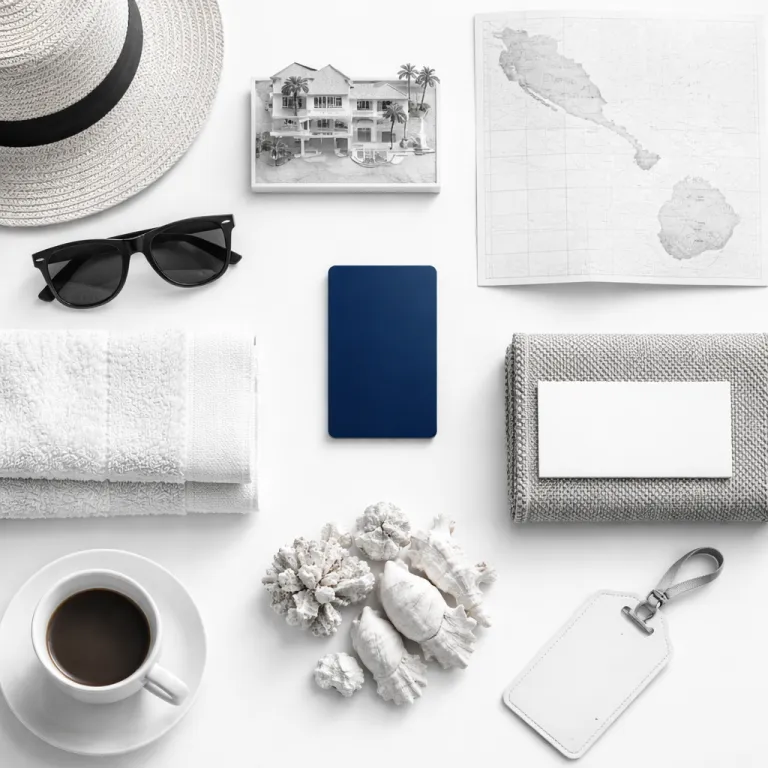
Why the Caribbean islands – and especially Saint Kitts and Nevis – suit discerning hotel guests
Trade winds brush the palms along the Bay Road in Basseterre while the evening ferries slide across The Narrows to Nevis. For travelers choosing a hotel in the Caribbean islands, this twin-island federation offers a quieter, more cultivated alternative to the large resort belts of Punta Cana or Montego Bay. You come here for space, for volcanic silhouettes at dusk, and for hotels that still feel anchored in real communities rather than sealed-off compounds.
Compared with the big resort spa complexes in places like Cap Cana or Puerto Plata, Saint Kitts and Nevis lean toward low-rise properties, generous suites, and a more personal style of room service. Many stays sit on former sugar estates, with stone chimneys and old boiling houses now framing pools or fitness terraces. The result is a different kind of Caribbean: less about the all-inclusive Punta Cana model, more about curated experiences and a sense of place, with a handful of standout examples such as Park Hyatt St. Kitts, Montpelier Plantation & Beach, and the Four Seasons Resort Nevis.
This destination suits travelers who value calm over spectacle. Couples who want a private veranda rather than a crowded beach resort, solo guests who prefer a small fitness center to a sprawling water park, and families who like to explore local beaches by car rather than stay inside one complex. If your idea of the best hotels in the Caribbean islands includes attentive staff, strong design, and a feeling of understatement, Saint Kitts and Nevis belong high on your list.
Beaches, views and the real meaning of a “Caribbean view hotel”
Black sand on the northern coast of Saint Kitts, golden arcs along Frigate Bay, and the pale curve of Pinney’s Beach on Nevis create very different moods. When a property describes itself as a beach resort, look closely at which coastline it occupies and how it uses that setting. Some hotels Caribbean wide sit directly on the sand with loungers almost touching the shore; others perch higher on the hillside, trading immediate access for panoramic views and quieter nights.
On Saint Kitts, the drive along the Southeast Peninsula Road reveals why “view hotel” is not just a marketing phrase. From the ridge above Turtle Beach you can see the Atlantic on one side, the Caribbean Sea on the other, and Nevis Peak rising 3 km away. A star hotel built here might offer terraces facing sunrise or sunset, but rarely both, so decide which matters more to you. Sunset-facing rooms suit slow cocktails and long dinners; sunrise rooms reward early swimmers and hikers.
Nevis works differently. Many of the best hotels sit slightly inland, on the lower slopes above Charlestown, where the air is cooler and the nights quieter. You may drive 5 to 10 minutes to the beach, but you gain sweeping island views, gardens scented with frangipani, and often more generous room layouts. For some guests, that trade-off – view and privacy over immediate sand – defines the charm of these Caribbean islands, especially at plantation-style hideaways such as Golden Rock Inn or Montpelier Plantation & Beach.
Rooms, suites and what “luxury” really buys you here
Polished wood floors, high ceilings, and shutters that actually open to the trade winds say more about luxury in Saint Kitts and Nevis than a long list of gadgets. Many premium hotels here favor spacious suites or villa-style layouts over compact rooms, often with private plunge pools or walled gardens instead of a single shared deck. You feel it when you wake at night and hear only tree frogs, not corridor noise.
When comparing hotels Caribbean wide, look beyond the star rating. A five star hotel in Punta Cana might impress with sheer scale – multiple pools, a vast fitness center, several themed restaurants – while a smaller Nevis property focuses on details: pressed linen, a well-curated minibar, and staff who remember how you take your breakfast. Both are valid interpretations of luxury, but they serve different types of guest, and nightly rates can range from around US$250 in shoulder season to well over US$900 for beachfront suites at peak times.
Pay attention to how room service operates. On some islands, it is a 24-hour, anything-goes convenience; on Saint Kitts and Nevis, it is often more curated, with a concise night menu and an emphasis on fresh, local dishes rather than endless choice. Ask whether suites include separate living areas, outdoor showers, or private dining spaces, especially if you plan to spend long evenings in. For travelers who value privacy and atmosphere over spectacle, these details matter more than the headline rating.
Breakfast, dining and the quiet luxury of Caribbean food culture
Fresh mango on the terrace at 7:30, nutmeg grated over porridge, and the faint smell of wood smoke from a nearby village – breakfast in Saint Kitts and Nevis can be a highlight rather than a formality. When a hotel advertises breakfast included or even breakfast free of extra charge, look at how it is served. Buffet lines suit large resorts; on these islands, a served à la carte breakfast often signals a more attentive, slower-paced experience.
Some properties treat the morning meal as a social center, with guests drifting in from the beach or fitness session to a veranda overlooking the sea. Others keep it deliberately quiet, almost private, with just a few tables under almond trees. If you are used to the all-inclusive Punta Cana model, where food is available at every hour, the more measured rhythm here may feel different – but it also encourages you to plan your day around the island rather than the buffet.
Dinner tends to be unhurried. Many of the best hotels work closely with small farms on Nevis’s interior slopes or fishermen landing at Gallows Bay in Charlestown. You might not find ten restaurants on site as you would in Montego Bay or Ocho Rios, yet the trade-off is depth over breadth: a concise menu that changes with the catch, and staff who remember your preferences after the first night. For travelers who care about food culture, this is one of the strongest arguments for choosing these Caribbean islands, especially if you enjoy dishes such as grilled mahi-mahi, conch chowder, or slow-cooked goat water stew.
Practicalities: parking, movement and wellness beyond the pool
Rental cars line up near the ferry terminal on Bay Road, and within 15 minutes you can be driving the coastal loop of Saint Kitts. For guests who like to explore, parking becomes a quiet but crucial criterion when choosing a hotel. Many properties offer on-site parking free of charge, but the layout varies: some have discreet lots screened by vegetation, others rely on roadside spaces that fill quickly on busy nights.
If you plan to split your stay between Saint Kitts and Nevis, consider how easily you can move with luggage between hotel and pier. A central location in Basseterre or near Charlestown’s waterfront makes early ferries and late returns simpler, though you may sacrifice some of the seclusion found on the more remote beaches. Travelers who prefer not to drive might prioritize a hotel near the island’s informal “center” of activity, where taxis are easier to find and local restaurants sit within a short walk.
Wellness here is more understated than in the mega resort spa complexes of Cap Cana or Puerto Plata. Expect compact but well-equipped fitness rooms rather than cavernous gyms, and treatment rooms that open to gardens instead of marble atriums. A small fitness center with natural light and a view of the hills can be more appealing than a windowless space with more machines. If daily training is important to you, verify opening hours and whether access is reserved for guests only or shared with outside members, and check whether yoga decks, hiking trails, or simple jogging routes are available directly from the property.
How Saint Kitts and Nevis compare to bigger Caribbean islands
Seven thousand Caribbean islands scatter across the sea, yet only a fraction host major resort zones. Names like Punta Cana, Montego Bay, Ocho Rios, Puerto Plata, Gros Islet and Cap Cana dominate the conversation about the best hotels in the region. Saint Kitts and Nevis sit deliberately outside that orbit. They offer fewer properties, fewer beach hotels, and almost no high-rise developments – and that is precisely their appeal for many travelers.
If you enjoy the energy of a large beach resort, with entertainment every night and multiple pools, you may find the rhythm here subdued. The focus is on space, heritage architecture, and a closer relationship with the landscape. You are more likely to spend an afternoon walking through an old sugar estate or swimming off a quiet cove than joining a poolside contest. For some guests, that feels like a luxury that no star rating can fully capture.
Where the larger islands excel at variety, Saint Kitts and Nevis excel at coherence. You can drive from the airport to the far end of Saint Kitts in under an hour, or circle Nevis in roughly 32 km, yet within that compact scale you move between rainforests, beaches, and historic villages. Choosing a hotel Caribbean islands wide often comes down to this question: do you want scale and spectacle, or intimacy and continuity. For travelers who answer with the latter, this twin-island federation is an astute choice.
How to read ratings and reviews when choosing a hotel Caribbean islands wide
Star ratings and glowing comments can blur together when you compare hotels across the Caribbean. A four or five star hotel in a major resort zone may be judged on the number of pools and restaurants, while a smaller property in Saint Kitts or Nevis earns its rating through service, privacy, and sense of place. When you scan any reviews hotel by hotel, look for mentions of what matters to you: quiet nights, attentive staff, or easy access to the beach.
Pay attention to how guests describe the atmosphere. Do they mention children’s activities and nightly shows, or do they talk about reading on the veranda and hearing the sea at night. The first sounds closer to the inclusive Punta Cana style of resort; the second aligns more with the understated luxury typical of these islands. Neither is inherently better, but they suit different kinds of trips.
Finally, treat any rating as a starting point rather than a verdict. A property with slightly fewer stars may offer larger suites, more generous outdoor space, or a better location for exploring both islands by car. Another with a higher rating might excel at formal service but feel less relaxed. The most satisfying stays in Saint Kitts and Nevis usually come from matching your own priorities – privacy, beach access, wellness, or heritage – with what the hotel genuinely does best, not what looks best on paper.
Is Saint Kitts and Nevis a good choice compared with larger Caribbean islands?
Saint Kitts and Nevis suit travelers who value calm, heritage architecture, and a strong sense of place over large-scale entertainment. Compared with bigger Caribbean islands such as the Dominican Republic or Jamaica, you will find fewer hotels but more space, quieter beaches, and properties that feel closely tied to the landscape. It is an excellent choice for couples, solo travelers, and families who prefer understated luxury and easy island exploring rather than a dense resort strip.
What should I check before booking a hotel in Saint Kitts and Nevis?
Before booking, verify the hotel’s exact location in relation to the beach, the ferry terminals, and the main roads, especially if you plan to rent a car. Check whether parking is available on site, how breakfast is served, and what kind of fitness or wellness facilities exist. It is also useful to understand whether the property focuses on seclusion, with more private suites and gardens, or on a livelier social atmosphere closer to local bars and restaurants.
Are all-inclusive resorts common in Saint Kitts and Nevis?
All-inclusive resorts are far less common in Saint Kitts and Nevis than in destinations such as Punta Cana or Montego Bay. Most properties here operate on a more traditional model, with breakfast often included and other meals taken either on site or at nearby restaurants. This suits travelers who like to explore local dining and move around the islands, rather than stay inside one large complex for the entire stay.
When is the best time to visit these Caribbean islands?
The most comfortable period to visit the Caribbean islands, including Saint Kitts and Nevis, runs from December to April, during the drier season. Temperatures remain warm but humidity is lower, sea conditions are generally calmer, and outdoor activities such as hiking and sailing are more pleasant. This is also the busiest period for hotels, so booking well in advance is advisable if you have specific room types or locations in mind.
Do hotels in Saint Kitts and Nevis suit families as well as couples?
Many hotels in Saint Kitts and Nevis welcome both families and couples, but the atmosphere varies by property. Some focus on spacious suites, calm pools, and quiet evenings that appeal more to couples or solo travelers. Others offer larger rooms, easy beach access, and flexible dining that work well for families who want comfort without the intensity of a large entertainment-driven resort. Checking how past guests describe the mood of the property is often the best indicator.