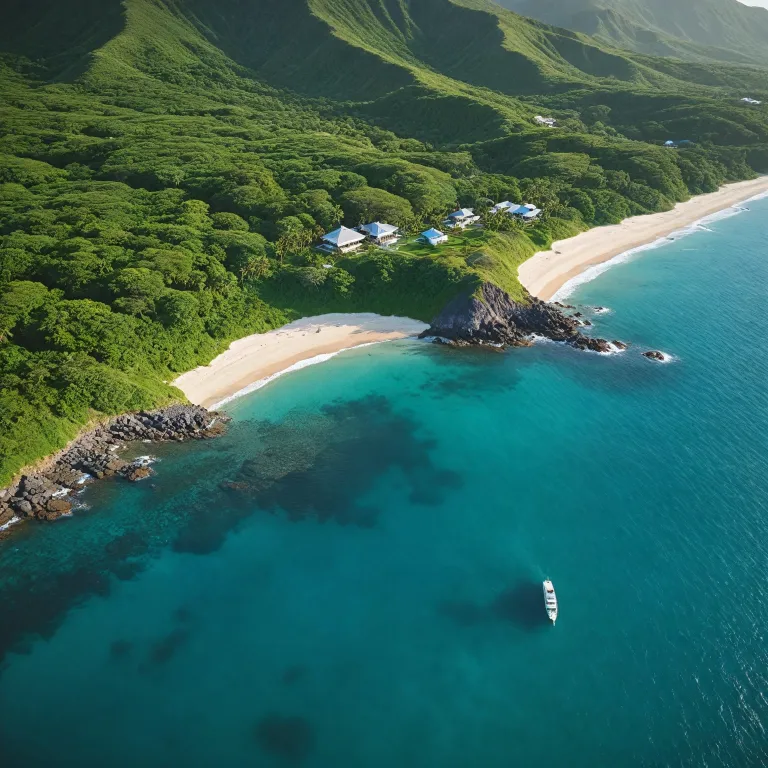
Understanding where Nevis sits in the Caribbean map
To understand where Nevis in the Caribbean truly is, start with its position in the eastern Caribbean Sea. This small island lies in the northern Leeward Islands, forming part of the Federation of Saint Kitts and Nevis within the wider island chain. On a regional map, you will see Nevis island just southeast of Saint Kitts, together creating a compact state with a distinct identity.
Geographically, Nevis island is about 93 km², with Charlestown as its capital and Nevis Peak rising to 986 metres at the centre. This volcanic cone shapes the island’s natural beauty, with lush slopes dropping to beaches where clear water frames the shoreline. When travellers ask where Nevis in the Caribbean is located, they usually mean how it relates to larger neighbours in North America and beyond.
Nevis sits in the eastern Caribbean, south of the United States and east of mainland North America, with Antigua and Barbuda and other Leeward Islands nearby. The federation Saint Kitts and Nevis lies roughly between Puerto Rico and Trinidad, with the island Saint Christopher (commonly called Saint Kitts) forming the northern half. This setting gives Nevis saint a serene, almost secluded feel, yet it remains well connected for premium travellers planning refined stays.
Political identity, history and the Nevis government framework
Understanding where Nevis in the Caribbean fits also means understanding its political status and history. The island belongs to the Federation Saint Kitts and Nevis, a small state that blends local autonomy with shared national institutions. Within this structure, the Nevis Island Administration acts as the nevis government, managing many internal affairs from Charlestown.
The federation’s head of government is the prime minister, who oversees national policy for both Saint Kitts and Nevis islands. Historically, the territory was part of the British colonial sphere, and traces of British influence remain visible in legal systems and public life. The official language is English, which simplifies communication for international guests considering luxury stays on island Nevis.
In constitutional terms, the state is a parliamentary democracy with a written framework that recognises the distinct role of Nevis island. The name Saint Christopher Nevis reflects the union of Saint Kitts (also called Saint Christopher) and Nevis as one sovereign country. For travellers, this means a stable government environment, clear regulations for luxury development and a mature tourism strategy.
Citizenship, investment and the high-end travel landscape
When travellers research where Nevis in the Caribbean is, they often encounter references to citizenship and investment. The federation Saint Kitts and Nevis operates a citizenship by investment framework that has attracted global attention among high net worth individuals. This citizenship investment route allows qualified applicants to obtain citizenship of Saint Kitts and Nevis through approved contributions or real estate investments.
Citizenship in this small state can offer visa advantages, access to the eastern Caribbean region and a stable base for regional business. While the programme is national, Nevis island has become a preferred location for some investors seeking tranquil surroundings and natural beauty. The nevis government works alongside the central authorities to ensure that development aligns with environmental priorities and community interests.
For luxury and premium hotel booking, this citizenship investment environment has encouraged carefully planned resorts and villas on island Nevis. Many properties emphasise privacy, personalised service and a strong connection to the surrounding water and landscapes. Travellers from the United States, the United Kingdom and other parts of North America often appreciate the combination of political stability and understated elegance.
Climate, seasons and the best time to stay on Nevis
Location within the eastern Caribbean shapes the climate and seasons that define stays on Nevis island. Temperatures remain warm throughout the year, moderated by trade winds that sweep across the Leeward Islands. For many guests, the key question after asking where Nevis in the Caribbean is located becomes which month offers the most comfortable conditions.
In practical terms, the drier period typically runs from around December through to the middle of the following year. During these months, humidity is slightly lower, and the water remains inviting for swimming, sailing and snorkelling. Some travellers prefer quieter shoulder periods, including September, when the island feels particularly peaceful yet still warm.
Time on Nevis follows the Atlantic time zone, which is convenient for visitors from the eastern United States and parts of South America. The local currency is the Eastern Caribbean dollar, though many luxury properties also accept major international cards. Whether you stay on Saint Kitts or Nevis saint, you will find that the rhythm of island life encourages slower days and long evenings.
Access, language and practical orientation for luxury guests
Understanding where Nevis in the Caribbean is also involves knowing how to reach it smoothly. Most international travellers fly into Saint Kitts, then transfer by water on a short ferry or private boat to Nevis island. This combination of air and sea travel adds a sense of arrival, especially for guests heading to high-end villas and resorts.
Because the official language is English, communication with hotel teams, guides and drivers is straightforward. The population of Nevis is relatively small, around thirteen thousand people, which supports an intimate hospitality culture. Staff in luxury properties often know repeat guests by name, and this familiarity enhances the sense of being welcomed into a refined island community.
For travellers comparing islands, it helps to remember that Saint Kitts, sometimes called Saint Christopher, offers a busier atmosphere, while island Nevis feels more secluded. Together, kitts Nevis form a federation that balances energy and calm, giving guests options across both islands. Those seeking private pool villas and elevated service can review curated stays via resources such as exclusive Caribbean villa and hotel collections.
Landscape, water experiences and the character of Nevis Peak
The physical landscape is central to understanding where Nevis in the Caribbean sits in travellers’ imaginations. Nevis Peak dominates the skyline, rising steeply from the centre of the island and often crowned with mist. Trails around its lower slopes pass through rainforest, where the natural beauty of the eastern Caribbean reveals itself in dense foliage and birdsong.
Along the coast, calm water laps against beaches of golden or darker volcanic sand, ideal for swimming and paddleboarding. Many luxury properties position suites and villas to frame views of the sea, neighbouring Saint Kitts and the wider Leeward Islands. From certain vantage points, you can see across to Antigua and Barbuda and other island saint silhouettes on clear days.
This setting shapes the style of premium hospitality on Nevis island, where outdoor living is integral to each stay. Resorts often integrate pools, spa pavilions and dining terraces that open directly to the trade winds. For guests, the combination of Nevis Peak, the surrounding Caribbean water and the intimate scale of the population creates a rare sense of place.
Culture, heritage and the refined pace of life on Nevis
Cultural context completes the picture of where Nevis in the Caribbean belongs. The island’s history includes Indigenous settlement, European colonisation under British rule and eventual independence as part of Saint Kitts and Nevis. This layered history is visible in Charlestown’s architecture, churches and heritage sites linked to figures such as Alexander Hamilton.
Today, the population maintains traditions through festivals, music and cuisine that blend African, European and Caribbean influences. Guests can attend local events, visit small museums and speak with residents who share stories of Christopher Nevis and Saint Christopher connections. The Nevis Tourism Authority notes that “Nevis has been inhabited since prehistoric times.”
For luxury travellers, this cultural depth enriches stays that might otherwise focus only on beaches and pools. Time spent exploring Charlestown, tasting local dishes and learning about the federation Saint Kitts and Nevis adds meaning to each visit. In this way, understanding where Nevis in the Caribbean is located becomes inseparable from understanding how its people live today.
Key statistics about Nevis for informed travellers
- Area of Nevis island is approximately 93 km², offering an intimate scale for exploration.
- Population stands at around 13 182 people, supporting a close-knit community feel.
- Highest point is Nevis Peak at about 3 232 feet (986 metres) above sea level.
Essential questions about Nevis and Saint Kitts for trip planning
What is the capital of Nevis ?
The capital of Nevis is Charlestown, a compact coastal town that concentrates administrative offices, heritage buildings and many practical services. Luxury guests often pass through Charlestown when transferring by water from Saint Kitts or arranging private excursions. Its walkable streets and seafront views make it a pleasant stop between resort stays and island tours.
How do I get to Nevis ?
Travellers typically fly into the international airport on Saint Kitts, then continue to Nevis by scheduled ferry, water taxi or private boat. The crossing between Saint Kitts and Nevis island is short, and many hotels can coordinate transfers. This two-step journey reinforces the feeling of arriving at a distinct island while remaining well connected to major air routes.
What is the official language of Nevis ?
The official language of Nevis is English, which simplifies communication for visitors from the United States, the United Kingdom and other English-speaking regions. Hotel staff, guides and drivers generally speak English fluently, and signage across both Saint Kitts and Nevis is straightforward to read. This linguistic clarity supports stress-free stays, especially for guests arranging bespoke services or special celebrations.